This site uses cookies so that we can provide you with the best possible user experience. Cookie information is stored in your browser and performs functions such as recognizing you when you return to our website and helping our team understand which areas of the site you find most interesting and useful.
1. Where to go in France in August? Haute-Soule, the Basque Country of shepherds and canyons
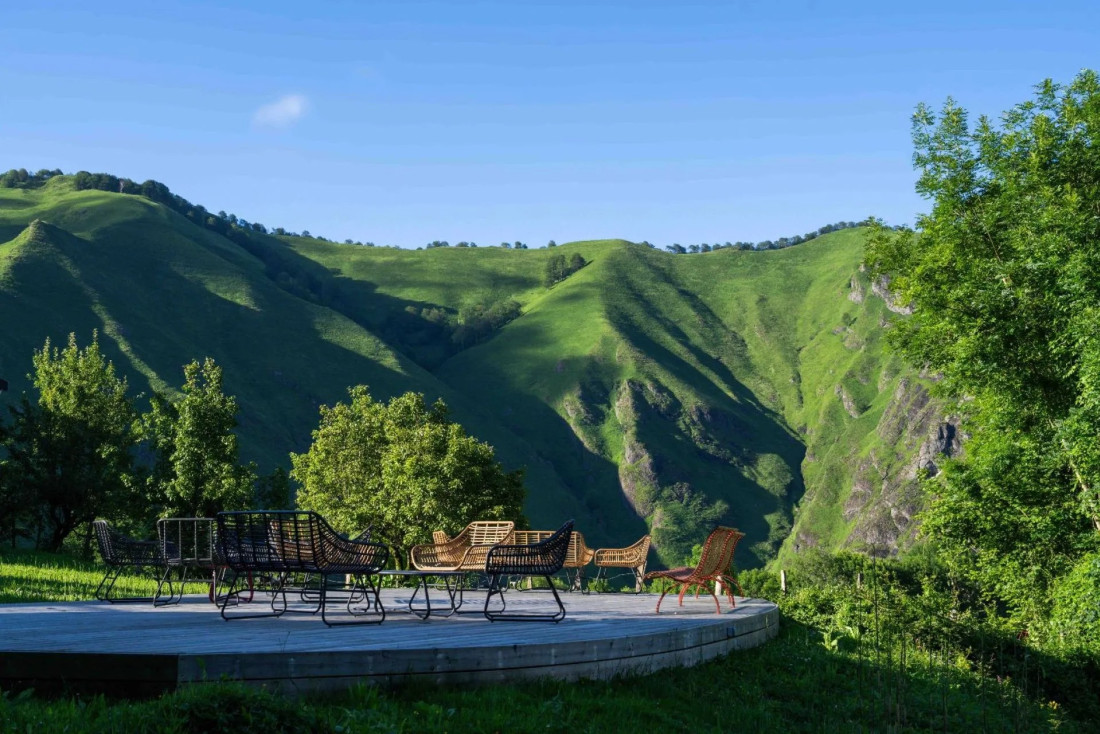
This first destination for an August getaway takes us away from the overcrowded hustle and bustle of the Basque coast and the surfboards drifting along the beaches of Biarritz; Soule embodies the most secluded and untamed province of the Basque Country. Here, the mountains grow steeper, the limestone is carved into spectacular canyons, and beech forests dominate the landscape. To find a coolness that has become rare, venture beneath the canopy of the Iraty Forest, Europe’s largest beech forest, with its 17,000 hectares draped across the mountainside. In August, the mountain range comes alive with the rhythm of the age-old transhumance, as sheep graze on the summer pastures while the local equestrian center offers rides across the ridges on horseback—or on donkeyback for the youngest visitors.
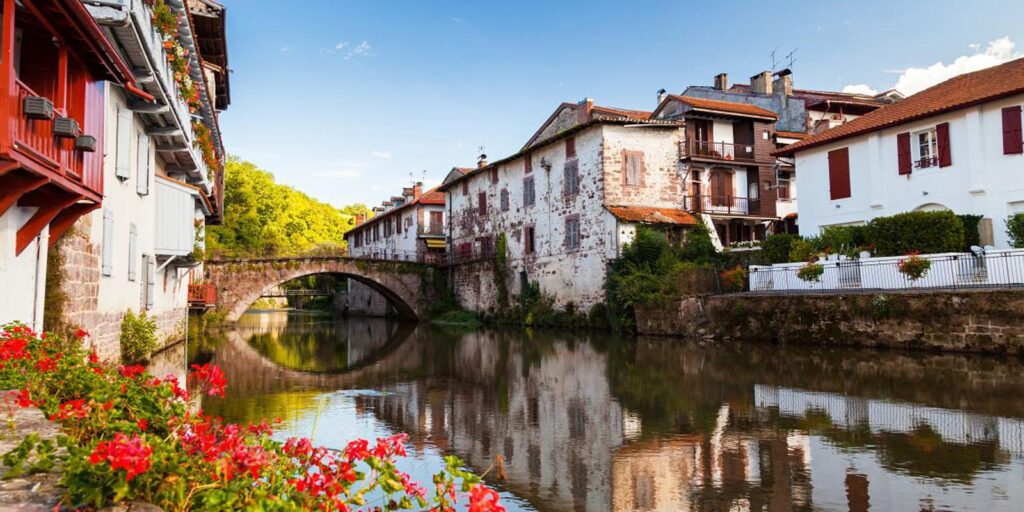
Straddling neighboring Lower Navarre, the Arbailles Massif rises to 1,286 meters amid a labyrinth of karst formations and legendary beech trees—the realm of the laminak, the little elves of Basque mythology. To escape the blazing sun, the ideal escape route leads to the source of the Bidouze River, starting from Saint-Just-Ibarre. The trail follows the river from waterfall to waterfall beneath the trees to a cave nestled at the foot of the cliff—a roughly three-hour round-trip hike offering sublime refreshment. Next, test your fear of heights on the Holzarte footbridge, suspended 150 meters above the gorges, before returning to solid ground. The cultural immersion turns into a mystical experience with the Souletine Pastorale. This sung tragedy in the Basque language, prepared over the course of a year by an entire village, transforms the mountain into an open-air theater stage. A unique live performance rooted in a centuries-old tradition.
Where to stay? Hôtel Les Pyrénées
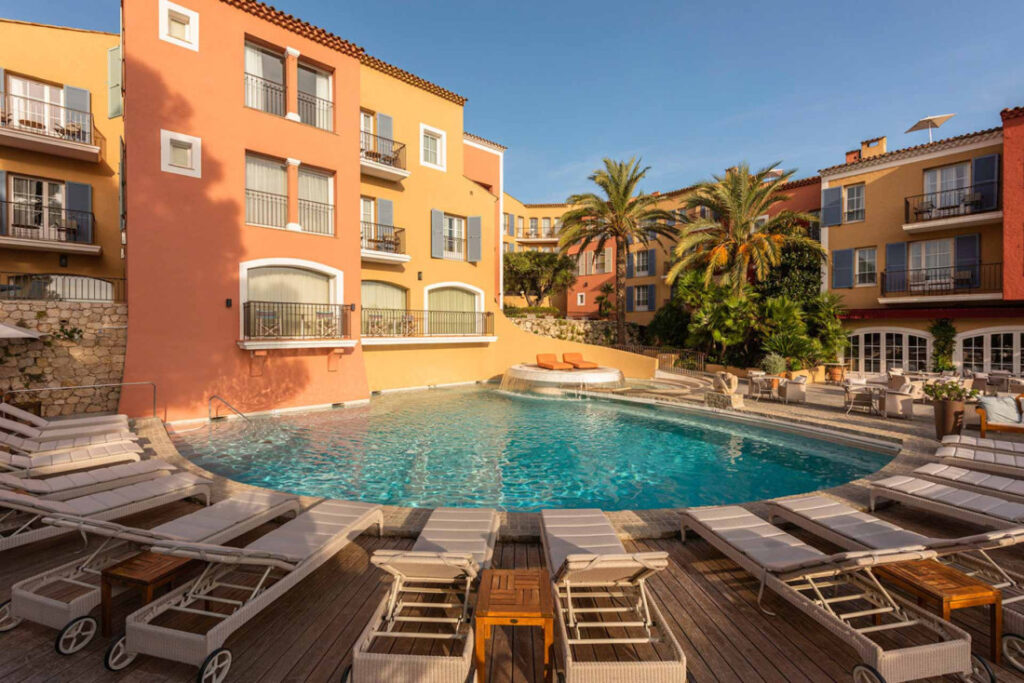
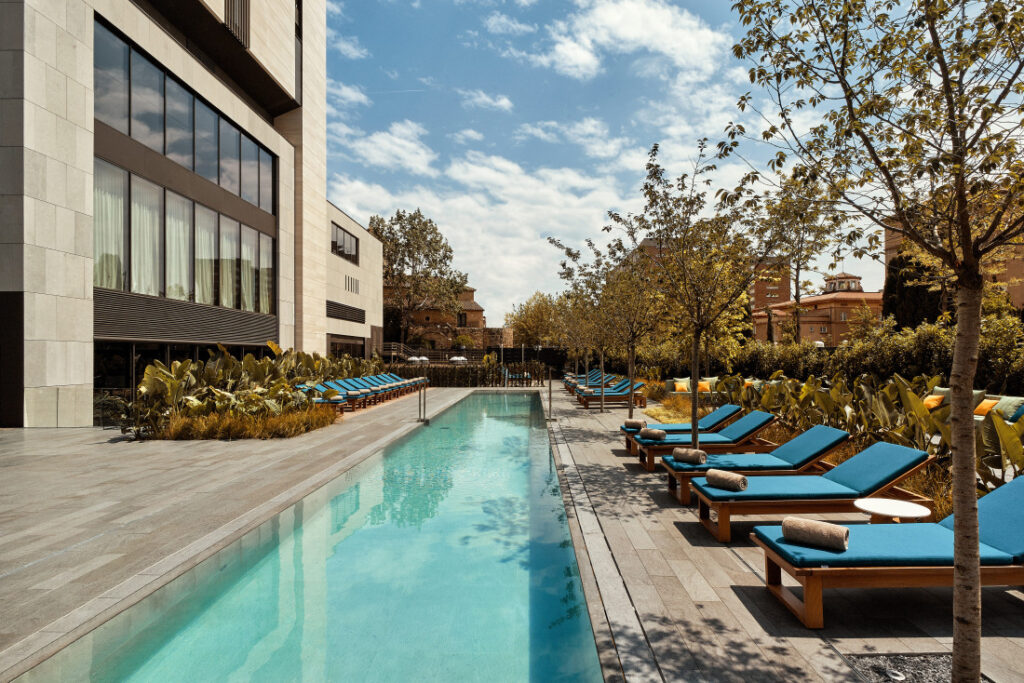
In Saint-Jean-Pied-de-Port, the Arrambide family has been running Hôtel Les Pyrénées for four generations. Behind the façade of this former stagecoach inn lie 18 spacious, contemporary rooms and suites—the perfect place to rest your legs after tackling the local mountain passes. The logistics are simple: this Basque Country hotel serves as the ideal base from which to tackle the scenic switchbacks and reach the heart of the Iraty Forest or the trailhead for the Holzarte Canyon. The hotel’s true highlight is revealed upon returning from these physical expeditions, when you settle by the pool facing the citadel. It’s the perfect spot to watch—a glass of white Irouléguy in hand—the procession of pilgrims embarking on their arduous journey to Santiago de Compostela. The service here is professional and seamless, without the unnecessary fawning that sometimes spoils establishments of this caliber.
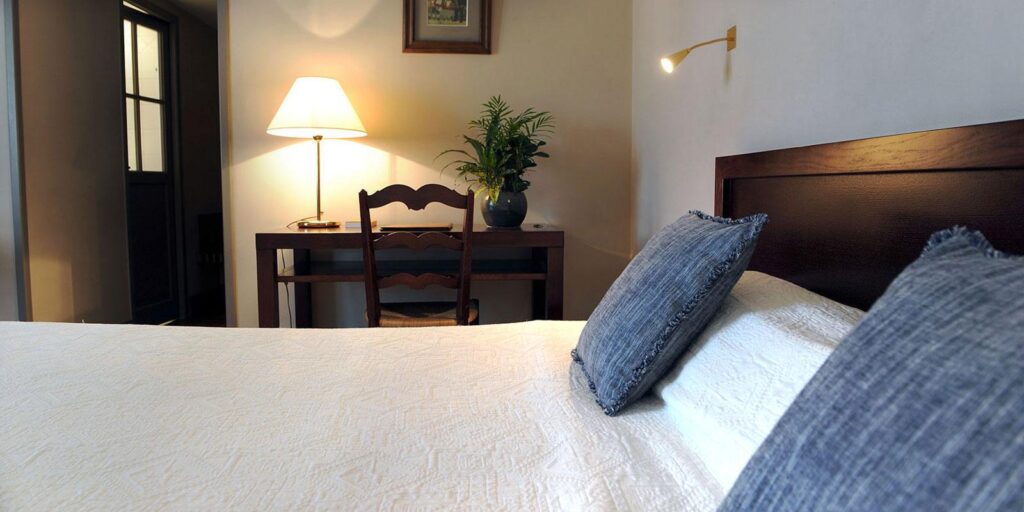
Hôtel Les Pyrénées
18 rooms, rates starting at 202 euros per night
19 Place Charles-de-Gaulle, Saint-Jean-Pied-de-Port
Where to eat? The restaurant at the Etchemaïté Hotel
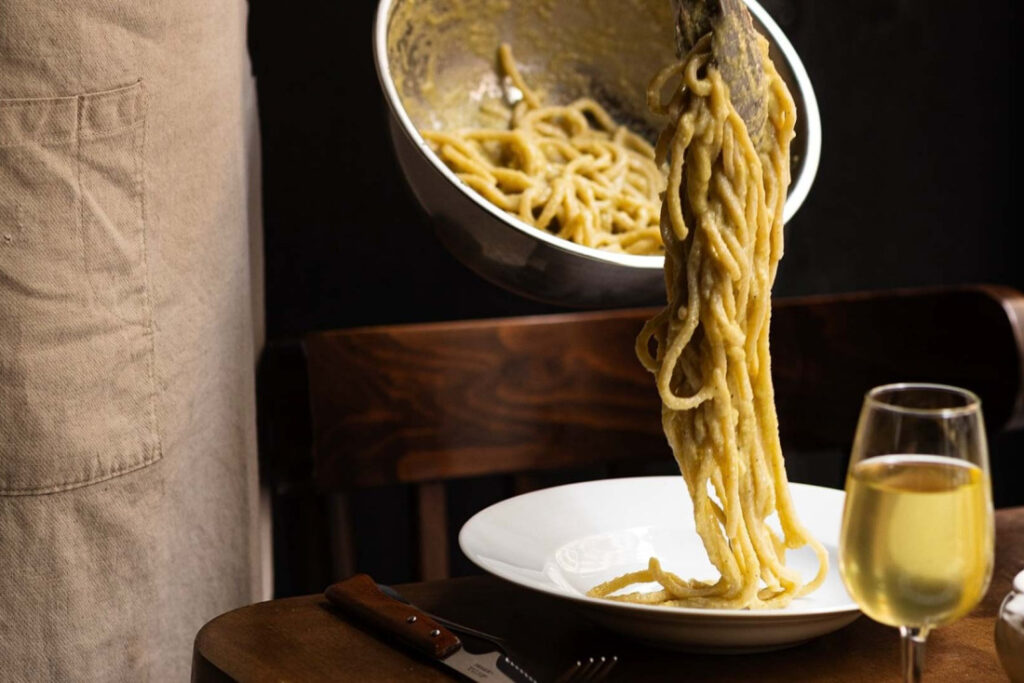
You have to venture all the way to Larrau to find the restaurant at the Etchemaïté Hotel, perched with a view of the peaks of Haute-Soule. The cuisine here avoids technical showmanship or tourist-oriented kitsch from the outset, focusing instead on the authenticity of the mountain pasture produce and the Basque valleys. The dishes, straightforward and easy to appreciate, feature Pyrenean milk-fed lamb seared to a pearly finish and local “coche” ham with a bold, distinctive character. You settle into the panoramic dining room to watch the sun set over the mountains, all while savoring the restaurant’s carefully selected, hard-to-find vintages of Irouléguy wine. A no-nonsense, down-to-earth mountain spot that sets the record straight on regional cuisine.
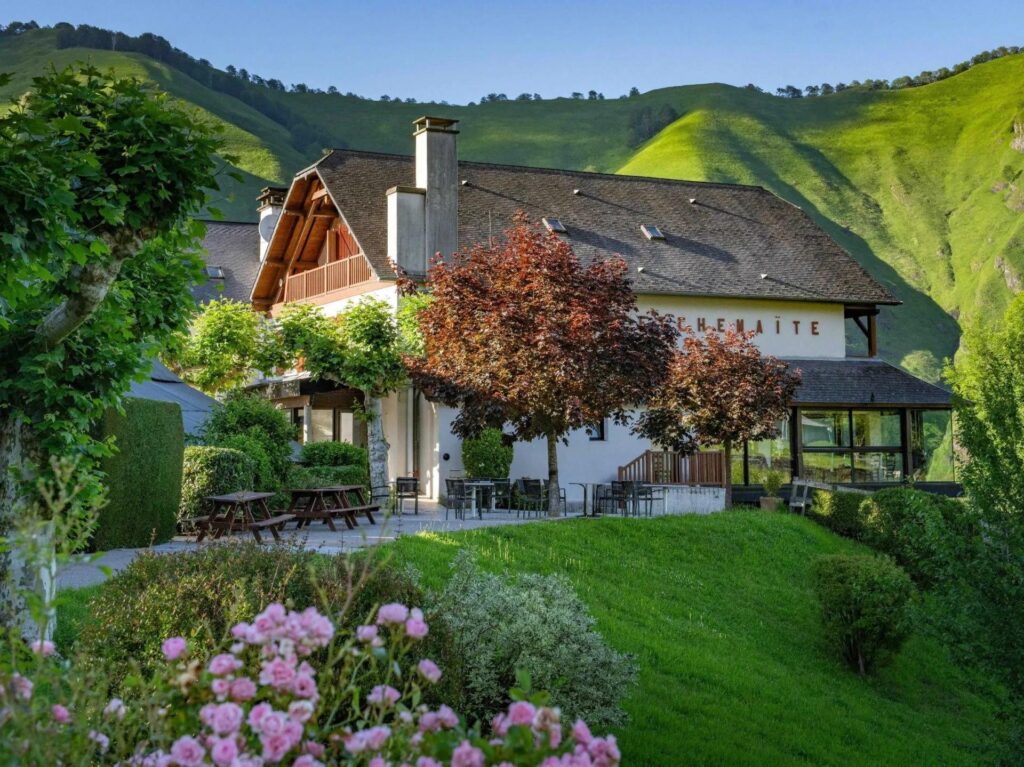
Restaurant Etchemaïté
À la carte: set menu (appetizer-main course-dessert) starting at 42 euros
Le Bourg, Larrau
2. The Haut-Var: A Hidden Gem in the Provençal Hinterland
You’d have to have a serious penchant for masochism to stubbornly search for a parking spot in Saint-Tropez in August, wedged between two rows of black SUVs and the hum of yachts. True Var luxury has abandoned the glitz and glamour of the coast to take refuge thirty kilometers away, up in the hills. It is here, in the Fayence region, that the hinterland is dotted with villages perched on rocky outcrops, overlooking plains of olive trees and pine forests. A charming getaway, ideal for those who want to escape the crowds in France during August.
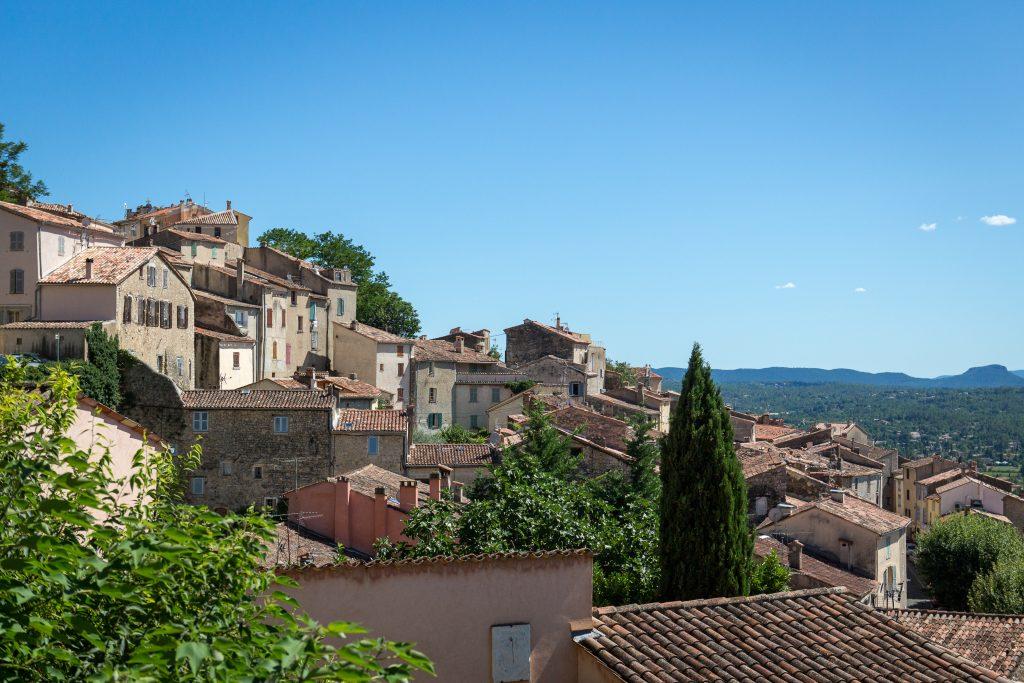
Leave the coast behind to enjoy the cool, calm waters of Lake Saint-Cassien or to explore the shaded alleyways of Seillans. Hikers can venture beneath the canopy of the Siagne Gorges, an ideal spot to escape the blazing sun. On the cultural front, August here avoids an artistic lull thanks to the Festival Musique en Pays de Fayence, which takes over Romanesque churches and village squares for chamber music concerts under the stars. A carefully curated program that uses the local heritage as a natural acoustic resonator.
Where to stay? Terre Blanche Hotel Spa Golf Resort
If the very idea of a resort in the hinterland conjures up a dystopian hotel scene, filled with zippy golf carts and unruly crowds, this 300-hectare enclave shatters all preconceptions. Among the villas and suites scattered across the hillside, the silence here is broken only by the scent of myrtle and rosemary. You’ll forget the crowded hotel lobbies of the Var as you treat yourself to the luxury of seclusion. This southern Arcadia is also strategically located for exploring the hidden gems of the Fayence region without wearing yourself out behind the wheel. Allow ten minutes, stopwatch in hand, to climb the narrow streets of Seillans, and a quarter of an hour to swap the warmth of the stone buildings for the welcome shade of the Siagne Gorges or the tranquil waters of Lake Saint-Cassien.
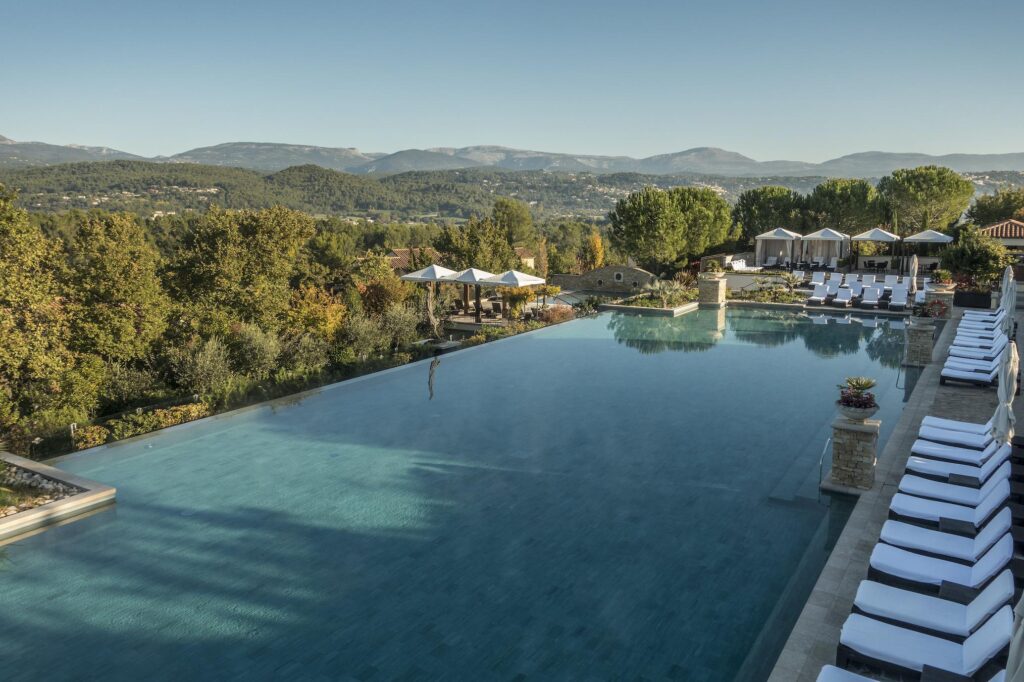
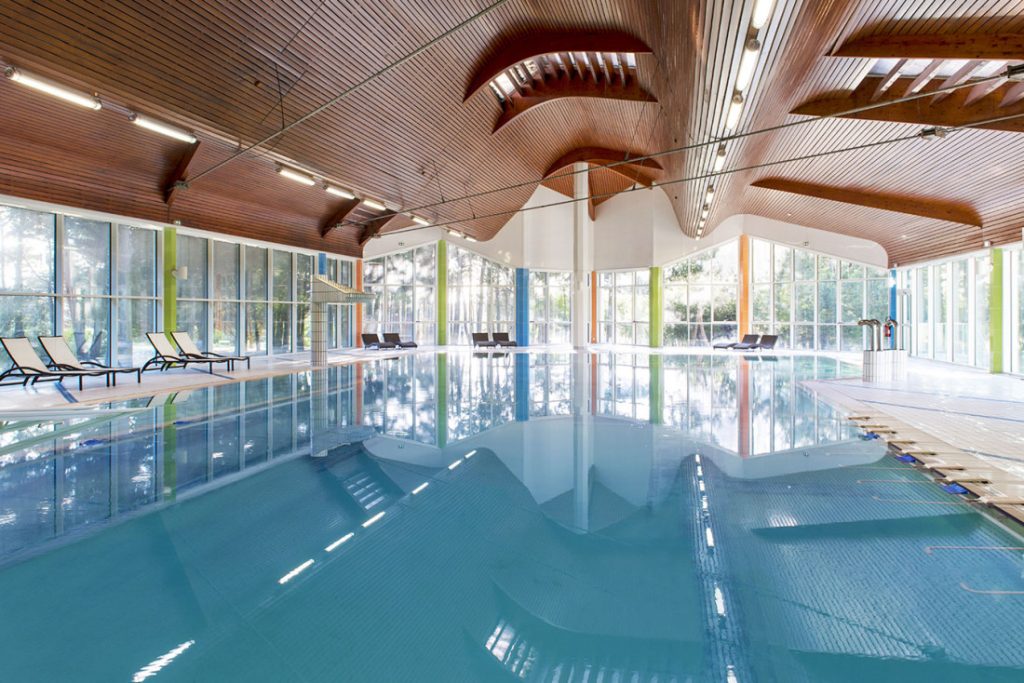
Upon returning from your excursion, the hotel’s true appeal lies in its ability to keep the crowds at bay—whether you’re here to conquer its two championship golf courses or to retreat into its monumental 3,200 m² bastide dedicated to wellness. This Provençal spa-hotel turns its back on the somewhat clinical Nordic atmosphere to embrace a grand Provençal classicism, embodied by a 20-meter pool topped by a massive glass roof.
Terre Blanche Hotel Spa Golf Resort
115 rooms, rates starting at 946 euros per night
3100 Route de Bagnols-en-Forêt, Tourrettes
Where to eat? Le Castellaras' table
Le Castellaras is a farmhouse built of local stone nestled on a hillside—the perfect spot to enjoy a meal without falling into the tourist trap. It’s owned by the Carro family and is now run by Hermance and her husband, Quentin Joplet. On sunny days, the first impression is visual: the restaurant’s suspended terrace, shaded by tall trees, offers a bird’s-eye view of the village of Fayence directly across the way. The panorama is splendid, but the spectacle ends where the meal begins.
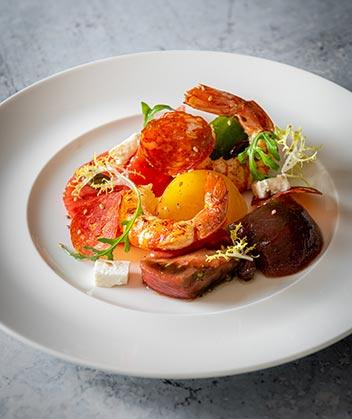
The couple stays true to a seasonal cuisine with strong Provençal influences, drawing on the daily market. Quentin Joplet reimagines regional classics with a creativity that breathes new life into tradition. The sauces are light, the cooking techniques straightforward, and the local ingredients—from morning-harvested vegetables to meats from the hinterland—shine through unfiltered. Smooth service and a connoisseur’s wine cellar—with a keen focus on Provence’s vineyards—round out this solid offering. A warm and inviting restaurant that reminds us that Var’s gastronomy still has depth.
Le Castellaras
À la carte: 4-course menu starting at 80 euros
461 chemin de Peymeyan, Fayence
3. A Trip to Corsica in August: Alta Rocca, Corsica's Mountain Peaks
Leaving Porto-Vecchio in the middle of August is almost a survival instinct. As soon as the road climbs toward Alta Rocca, the air takes on a different quality, and Corsica returns to its true self—the land of shepherds and raw granite. The landscape sheds the yachts rented by celebrities craving the spotlight, giving way to the Bavella Needles—those sharp peaks that slice through the sky like shards of flint. The summer pastime is to leave behind the salt of the coast to plunge into the pools of pure water along the Rizzanese River or to stroll along the shaded trails of the Cuscionu Plateau, where wild horses graze freely.
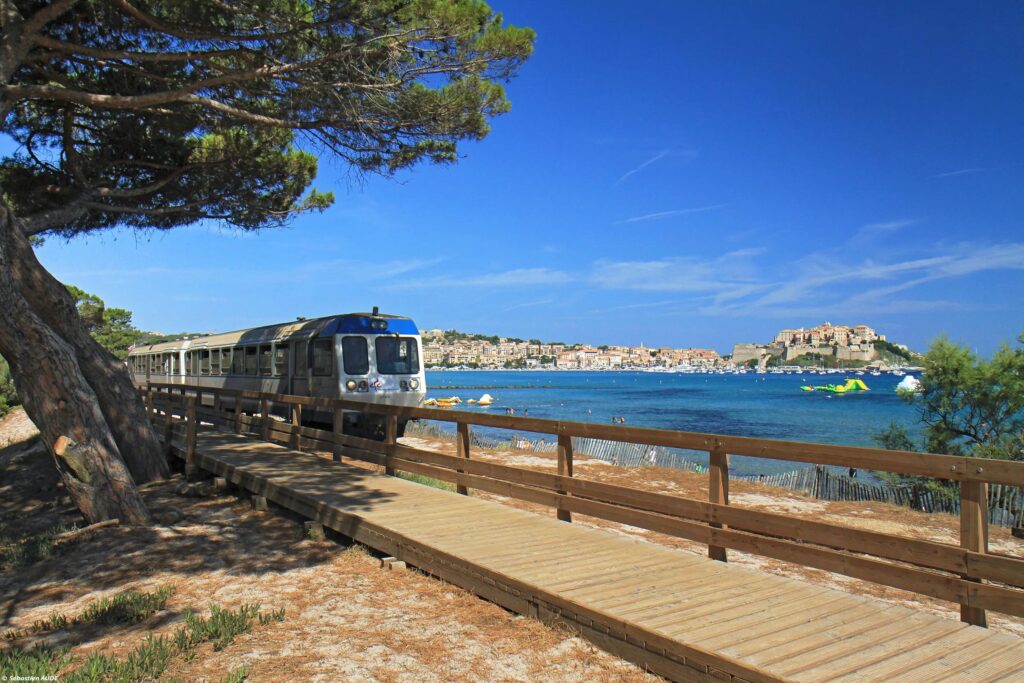
For travelers looking to leave their cars behind, a trip aboard the Trinichellu is a must. This famous little Corsican train rattles along the mountainside, crossing dizzying viaducts designed by Eiffel and offering a view you’ll never see from a highway. It’s the perfect way to slow down and watch the maquis roll by at a pace that gives you time to truly savor the moment.
It’s here that you truly get a sense of the wild and silent Corsica of the interior. To see this for yourself, simply step inside the Alta Rocca Museum in Levie. There you’ll encounter the skeleton of the “Lady of Bonifacio,” a resident dating back nearly 10,000 years who speaks volumes about the area’s rich history. Right next door, a walk beneath the holm oaks leads to the casteddu of Cucuruzzu, a Bronze Age fortress with cyclopean walls. Come evening, local culture comes to life far from the beach speakers. If you’re visiting in mid-August, the Alta Rocca Festival takes over Levie to celebrate the island’s traditions and heritage. The rest of the time, polyphonic concerts echo through the village churches, a moment suspended in time when the voices seem to spring directly from the rock.
Where to stay? Le Mouflon d’Or
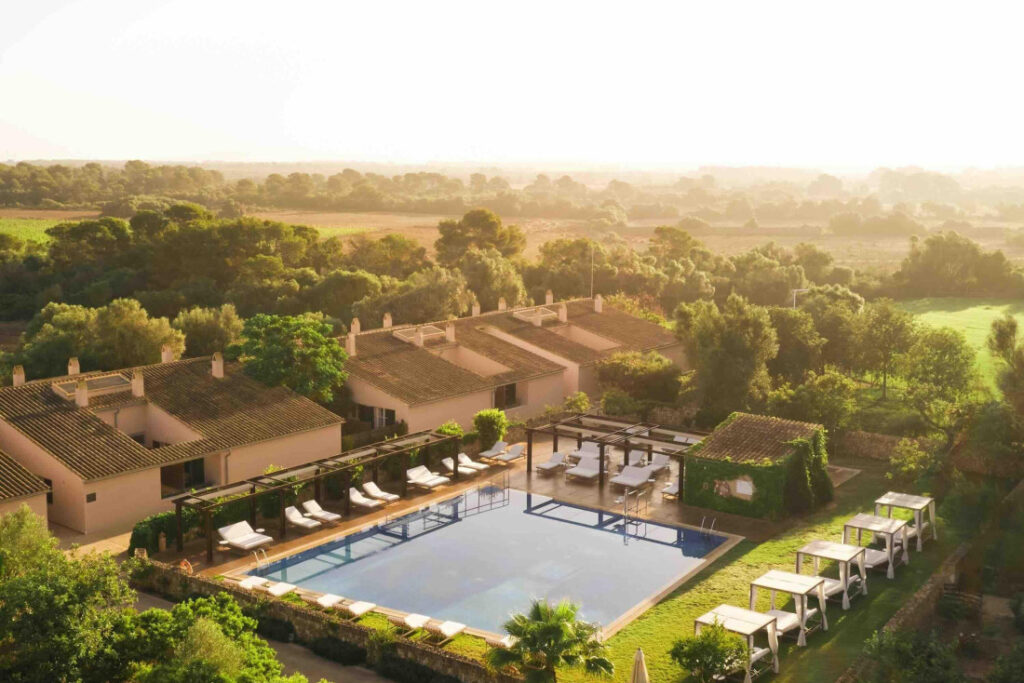
In Zonza, Corsica, the Hôtel Le Mouflon d’Or is setting the standard for high-altitude hospitality once again after thirty years of dormancy. This 1920s building, originally constructed by the PLM Railway Company, is being reborn under the leadership of Lise Canarelli, whose family already runs the Cala Rossa and the Domaine de Murtoli. The transition from the beach to the mountains goes off without a hitch here: the building has been completely stripped down to house 20 spacious rooms and two standalone sheepfolds tucked away in the grounds.
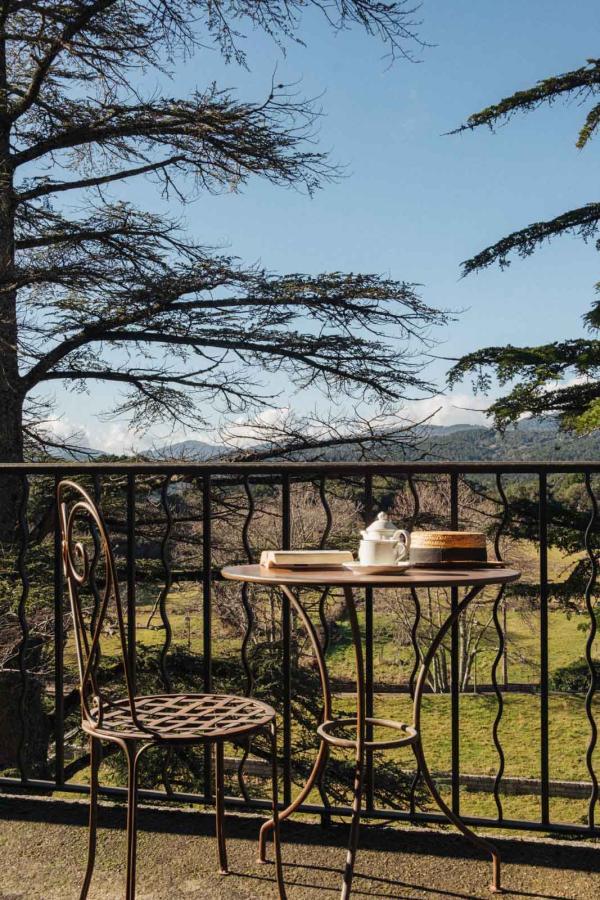
The location of this hotel in Southern Corsica makes it an ideal stopover, about an hour’s drive along winding roads from Porto-Vecchio. You’ll drop off your luggage in the heart of Alta Rocca, just a short hike from the Bavella Needles and the GR20 trails, but the real luxury is being able to take in the mountain scenery without leaving the outdoor pool, while you wait for the opening of a 1,000 m² spa.
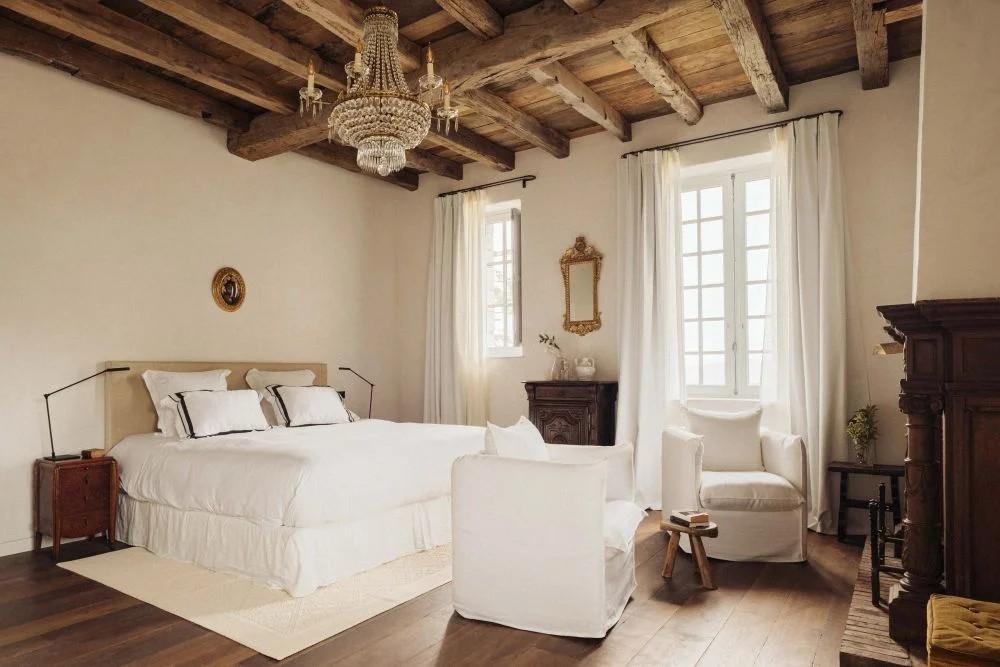
Inside, the decor turns its back on the standardized minimalism of boutique hotels. Church furnishings, Empire-style chests of drawers, and 1940s seating coexist against textured walls, the result of a decade of patient antique hunting. The atmosphere is warm and inviting, and the service meets the understated standards of Relais & Châteaux—all without the glitzy veneer typical of the coast. A solid establishment built to last.
Hôtel Le Mouflon d’Or
20 rooms, rates starting at 440 euros per night
Pian di Santo, Zonza
Where to eat? A Pignata's table
In Levie, the Rocca Serra family cultivates the art of mountain feasting at an elevation of 850 meters, and you’d be wise to skip lunch if you plan to dine with them. Run by Lilli, Jean-Baptiste, and Antoine, A Pignata feels like a meal among friends—but with the appetite of an ogre. Here, there’s no fuss and no meticulously measured micro-portions: the dishes come straight from the family farm, and the single-course menu is like a high-stakes marathon.
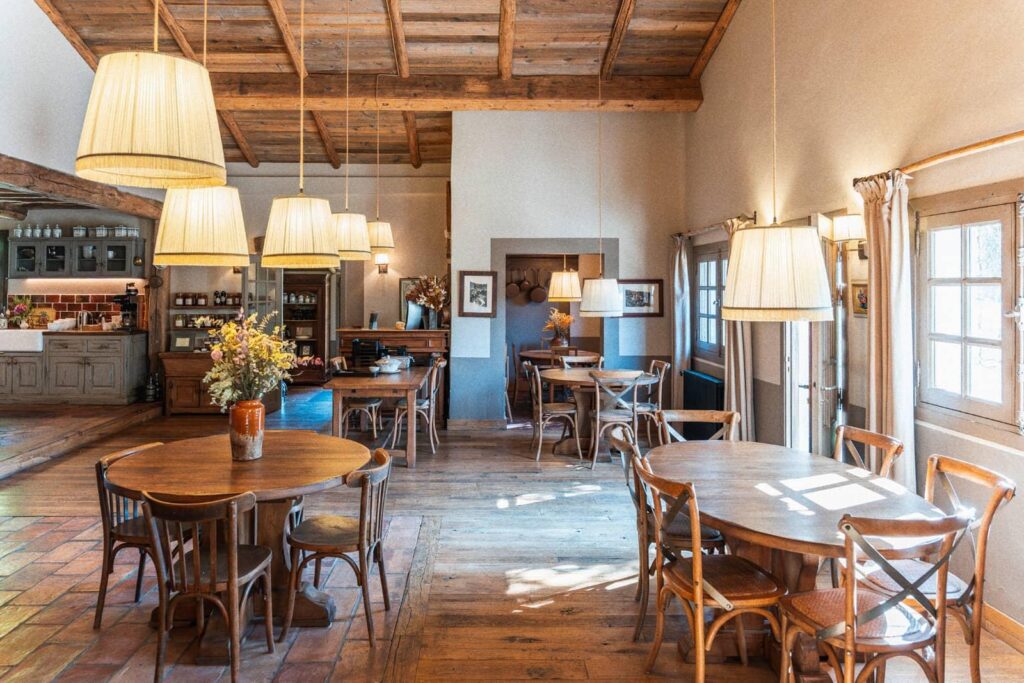
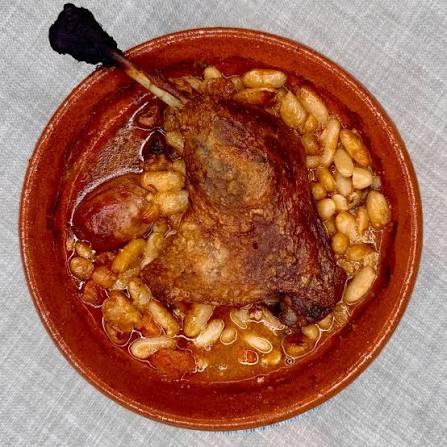
In the summer, things really heat up on the panoramic terrace, with the mountains as your only view. We kick off the feast with house-cured charcuterie, made from black pigs raised on-site, or with a formidable country soup, simmered for hours with a ham bone and vegetables from the garden. Needless to say, you’ll want to save room for what’s next: oven-caramelized lamb and stuffed stew rival cannelloni stuffed with brocciu—light as air—all served with beans and pancetta. The shepherd’s cheese platter and traditional fritters round out this impressive display of culinary prowess. It’s generous, it’s rustic, and you leave with an immediate urge to take a nap under the oak trees.
Restaurant A Pignata
À la carte: single-course menu, 70 euros
Route of the archaeological sites of Cucuruzzu, Levie
4. The Montagne Noire and the Cabardès: The Wild Shadow of Cathar Country
Heading to Carcassonne, France, in August isn’t exactly a stroke of genius: the city looks like one giant traffic jam of strollers and ice cream melting on the ramparts. But all you have to do is look up from the plain to spot that dark mass blocking the northern horizon. The Montagne Noire lives up to its name: a massive expanse of dense forests and schistose rock that acts as a natural air conditioner for the Aude region. As you climb its folds, you enter the Cabardès, a geographically “schizophrenic” wine region where the coolness of the Atlantic collides with the heat of the Mediterranean. The result is evident in the landscape and in the wine glasses, where Merlot and Syrah grow side by side on steep slopes.
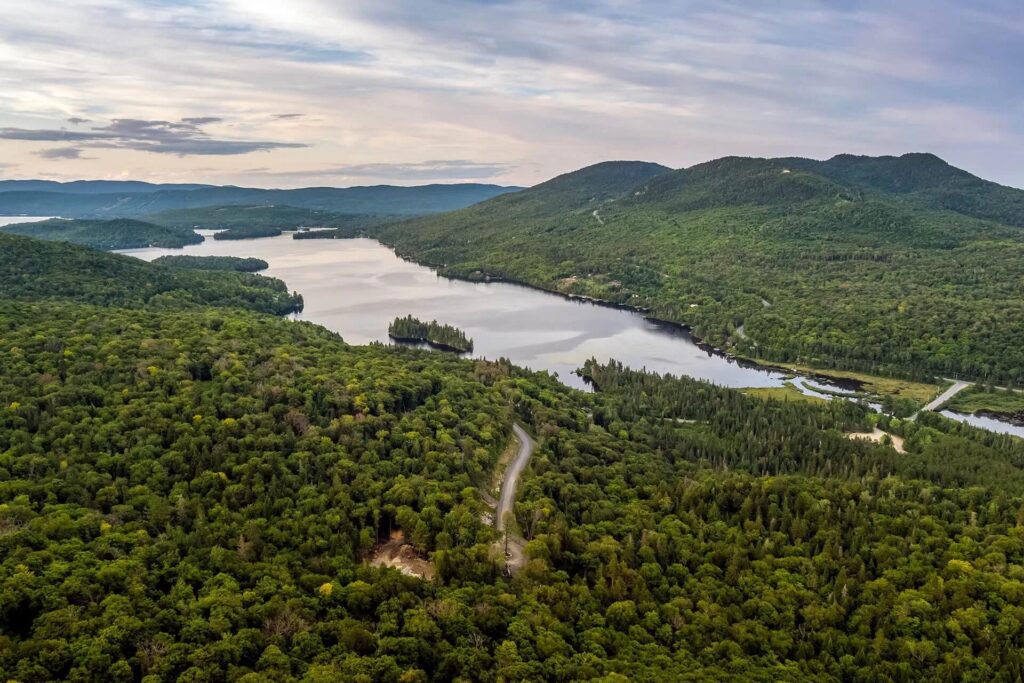
The setting has character and invites physical exploration. The classic route leads to the four Cathar castles of Lastours. Forget a passive tour: these stone sentinels reveal their charm during a steep hike through the maquis, with a breathtaking panorama from the Réals lookout point as your reward. For something more off-the-beaten-path, the book village of Montolieu is well worth a cultural stop. This enclave of artisans, booksellers, and art galleries is home to the Museum of Book Arts and Crafts, the perfect place to get a feel for the history of paper and printing. For a taste of raw natural beauty, the giant Cabrespine chasm offers a spectacular underground journey into a cavern large enough to house the Eiffel Tower. If you’re in the area at the end of summer, the Cabardès Temps de Pause festival brings the region’s ancient stones to life with intimate concerts and traveling theater performances.
Where to stay? Château de Thuries
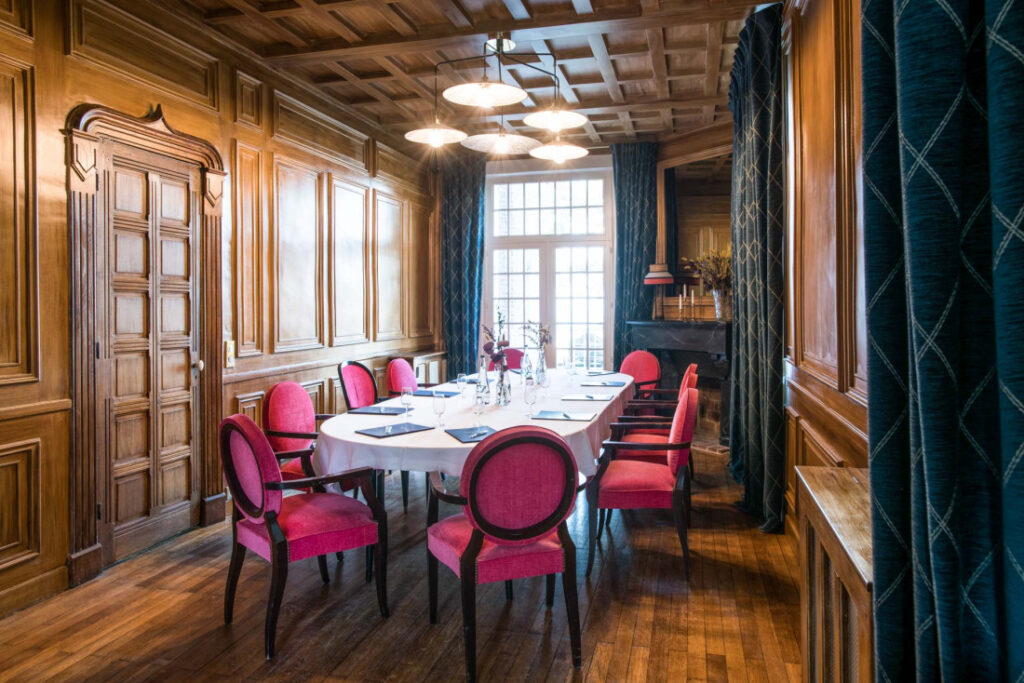
On the edge of the Cabardès region, Château de Thuriès offers an exclusive family-run retreat. This 1895 estate, with its elegant Directoire-style architecture, has found passionate stewards in Pascal and Pascale Brière. Since taking over the property in late 2023, the couple has been refining a haute couture interior where antique furniture blends seamlessly without feeling like a dusty museum. This château hotel is intentionally limited to five themed suites, ranging from the cozy ambiance of the Petit Boudoir to the travel-inspired touches of the Colonial Suite.
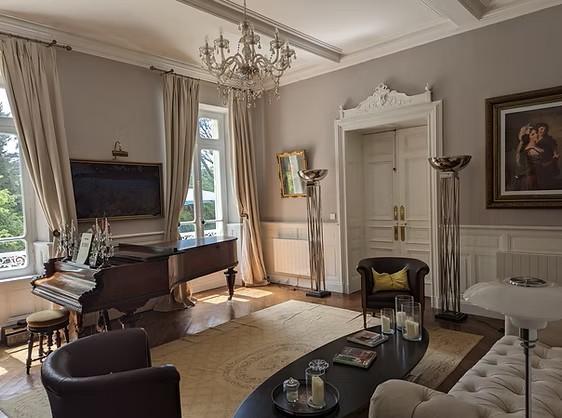
The hotel’s true hallmark remains its vast 1.5-hectare park, shaded by giant sequoias and cedars that are hundreds of years old. It’s by the 15-meter heated lap pool, set on the terrace, that you truly take in the grandeur of the place, your eyes fixed on the squirrels’ dance. For moments of quiet retreat, the château features an Art Deco lounge with an 1870 grand piano, a well-stocked library, and a bar-pool-smoking room that invites you to linger into the evening. The highlight of this charming hotel in southwestern France is its direct access to the Rigole de la Plaine, which runs alongside the property. Hop on one of the bikes provided to follow this historic waterway in the shade of the trees—an effortless ride that leads either to the beaches of the pine forest at Lake Saint-Ferréol or to the bastide town of Revel.
Château de Thuries
5 keys, rates starting at 242 euros per night
Chemin de Thuries, Revel
Where to Eat? Villa Pinewood
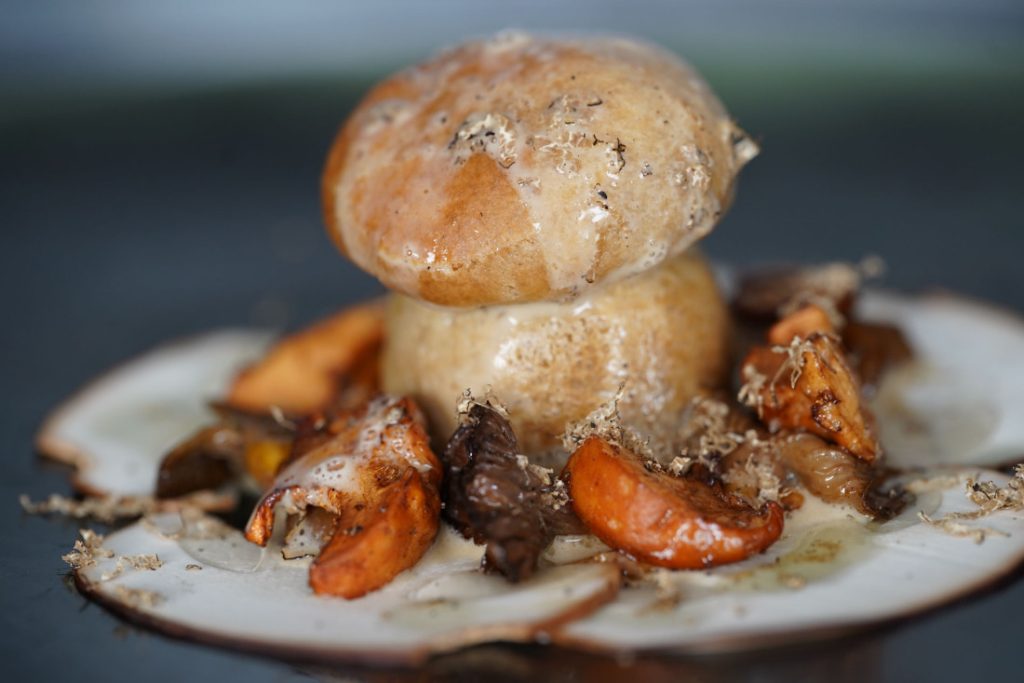
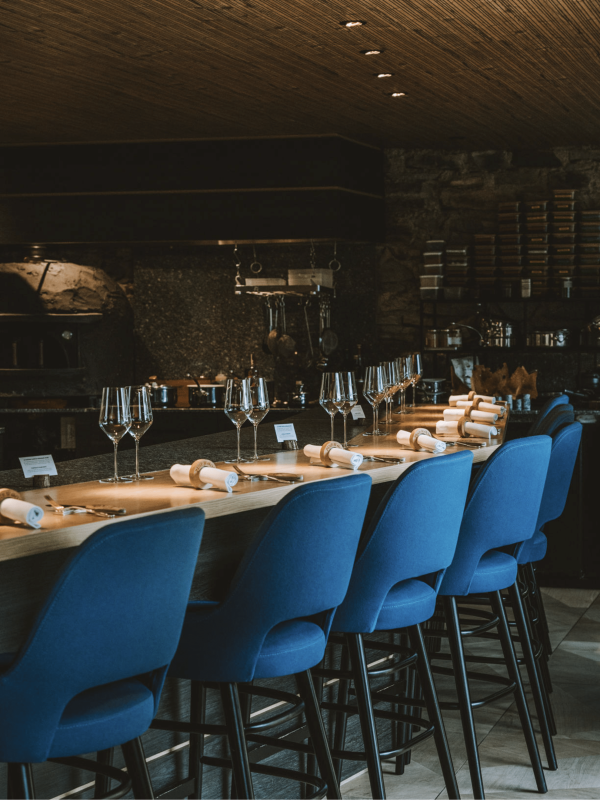
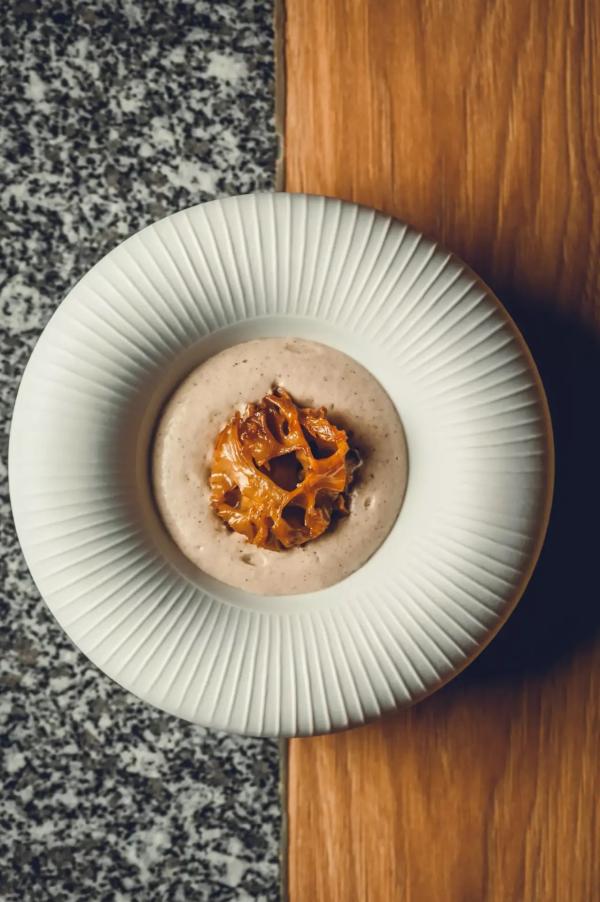
To experience the wildest side of the Montagne Noire firsthand, you’ll need to venture out to Payrin-Augmontel, where Anne and Thomas Cabrol have established Villa Pinewood. Be warned: this is no ordinary village bistro where you can just walk in on a whim. It’s an ultra-exclusive culinary and wine experience designed for a maximum of fourteen guests, all seated at the same time (7:30 p.m. sharp) around a wooden and granite counter. The couple, former heavyweights of Toulouse’s wine bars, orchestrate a meticulously choreographed ballet here, unfolding in a dozen courses featuring local, plant-based ingredients. On the plate, Thomas Cabrol applies iron discipline: no spices from faraway lands, no exotic pepper, no refined sugar, and certainly no coffee at the end of the meal. The flavor is entirely dictated by the local landscape. Spices are replaced by more than two hundred wild-foraged plants and herbs gathered that very morning; the fish come from a nearby aquaculture farm; and coffee gives way to a local barley malt. When it comes to wine, Anne Cabrol draws from a cellar of some 1,000 labels to create pairings of disarming precision. It’s an intellectual experience, sometimes radical (allergies and specific dietary restrictions are not accommodated), yet one of rare poetry. A raw and highly vibrant signature dining experience that feels like eating the forest itself.
Villa Pinewood
À la carte: a single 12-course menu priced at 130 euros
590 Chemin du Negre, Payrin
5. Vars and the Val d'Escreins: An Alpine Getaway
Setting foot in Vars in August is a great way to clear up a geographical misunderstanding with those who are still looking for the sea. Here, there are no yachts or jet-ski wakes, but two valleys nestled in the Hautes-Alpes that bask in the same white light as the Côte d’Azur—with a bonus of crisp, fresh air. The scenery leaves no room for compromise: on one side, the chiseled ridges of the Eyssina overlook the Route des Grandes Alpes; on the other, the Val d’Escreins unfolds a silence as profound as a green cathedral—so dense that it has been dubbed “little Varsinc Canada.” The local pastime isn’t parading around in white linen, but taking on the “one day, one lake” ritual.
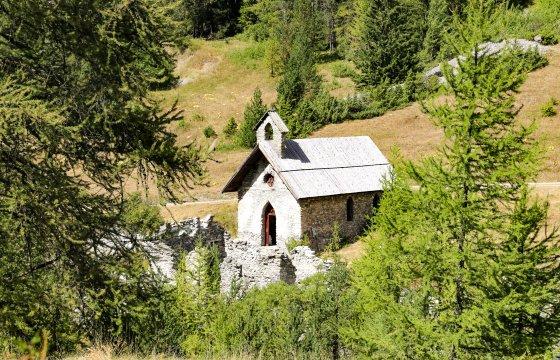
The most resilient hikers climb to the 2,711-meter-high Lac des 9 Couleurs, a shifting mirror nestled in the rock where ibex serve as a welcoming committee. For everyone else, the Chabrières Telemix does the heavy lifting, dropping hikers off right in front of Lac de l’Étoile. The real surprise is cultural. Far from the postcard-perfect clichés of transhumance festivals, the resort hosts a world-class piano festival in August. The virtuosos take the stage at the Salle Chastan, renowned for its impeccable acoustics, after kicking off the festivities outdoors among the trees of Escreins. And if you happen to be in the area around August 15, the Heritage Festival brings the hamlets to life with pétanque tournaments and folk dances that last until the sky—of an almost obsessive clarity—reveals nothing but the stars.
Where to stay? Hotel 16 | 150
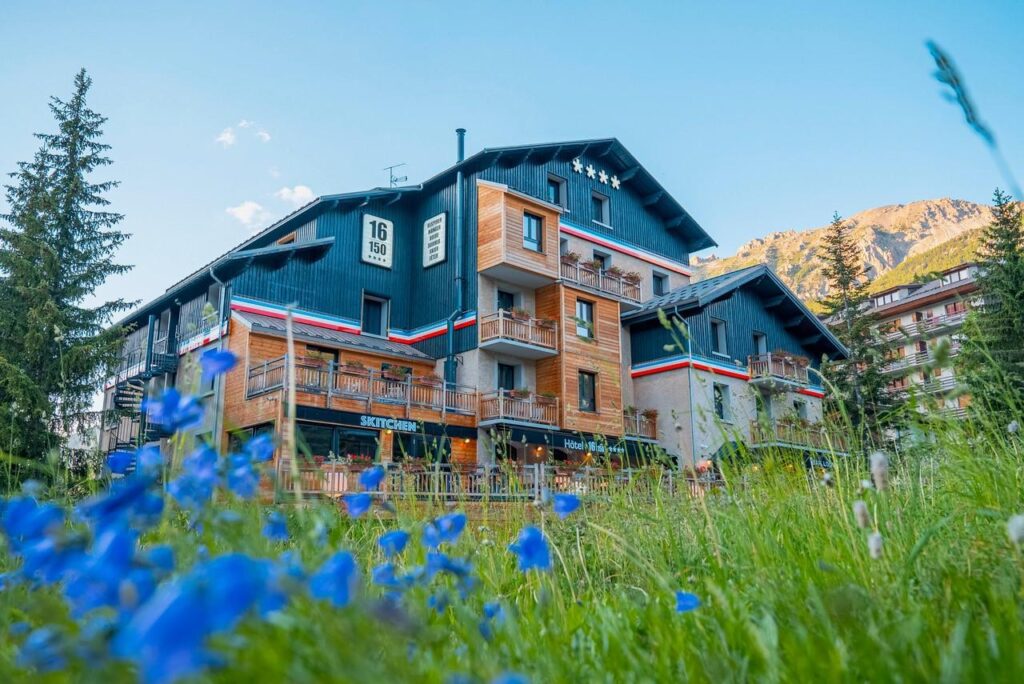
Located at the Col de Vars, this boutique hotel manages to do away with the “log cabin and heart-patterned curtains” style that all too often plagues mountain resorts. The atmosphere is straightforward, contemporary, almost modernist, combining exposed concrete with huge floor-to-ceiling windows that frame the larch trees like works of art. The welcome is disarmingly natural, provided by a team that runs the place with the smiles of those who know they’re sleeping in the cool while the valley below swelters. The rooms at this charming mountain hotel are spacious; the four 44-square-meter suites are impressive, and the premium bedding instantly soothes the effects of the day’s elevation changes. A visit to the 300-square-meter Nuxe spa is a must before sitting down to eat at Skitchen, the hotel’s bistro, which playfully puts a lighter spin on classic mountain fare.
Hôtel 16 | 150
29 rooms, rates starting at 225 euros per night
Village of Sainte Marie, 11 rue du Pied de Ville, Vars
Where to Eat? 1854
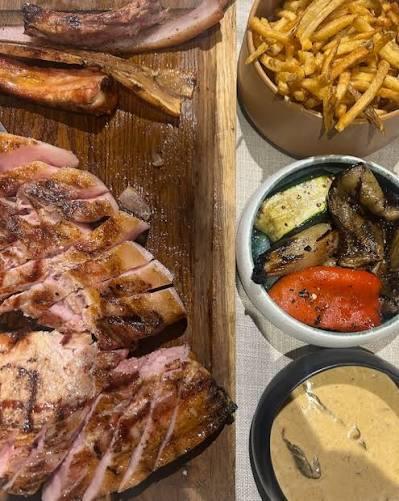
Most ski resorts close their best restaurants in the summer or settle for bland salads. 1854 does exactly the opposite. In just three seasons, this gourmet eatery has become Vars’ most exciting destination, elevating charcoal-grilled cuisine to a high art. It all revolves around a wood-fired grill where the chef tames the flames to impart a unique smoky depth to each dish. In August, the menu takes a wholesome, plant-based turn thanks to the restaurant’s vegetable garden, which complements meats of rare quality sourced from master affineur Thomas Bessette. The wine selection is discerning, the execution is confident, and the dining experience stands apart from all other high-altitude restaurants.
1854
À la carte: appetizers starting at 15 euros, main courses starting at 26 euros
29 allée Zendel, Vars