This site uses cookies so that we can provide you with the best possible user experience. Cookie information is stored in your browser and performs functions such as recognizing you when you return to our website and helping our team understand which areas of the site you find most interesting and useful.
One house, two men, one territory
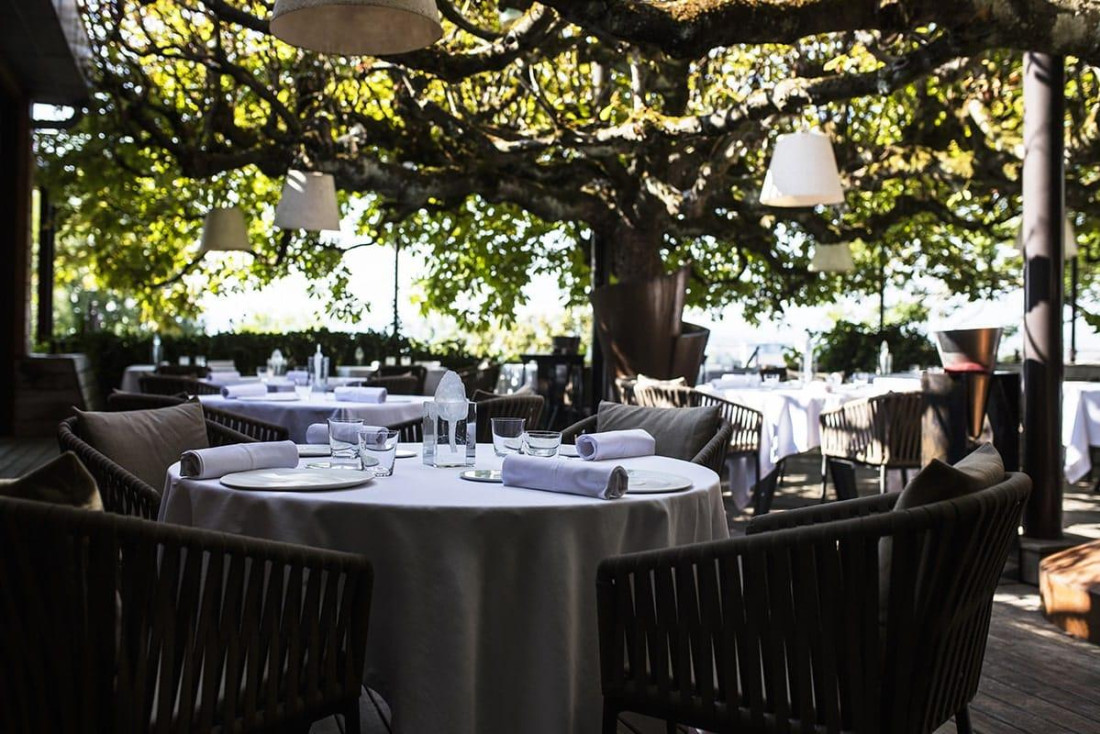
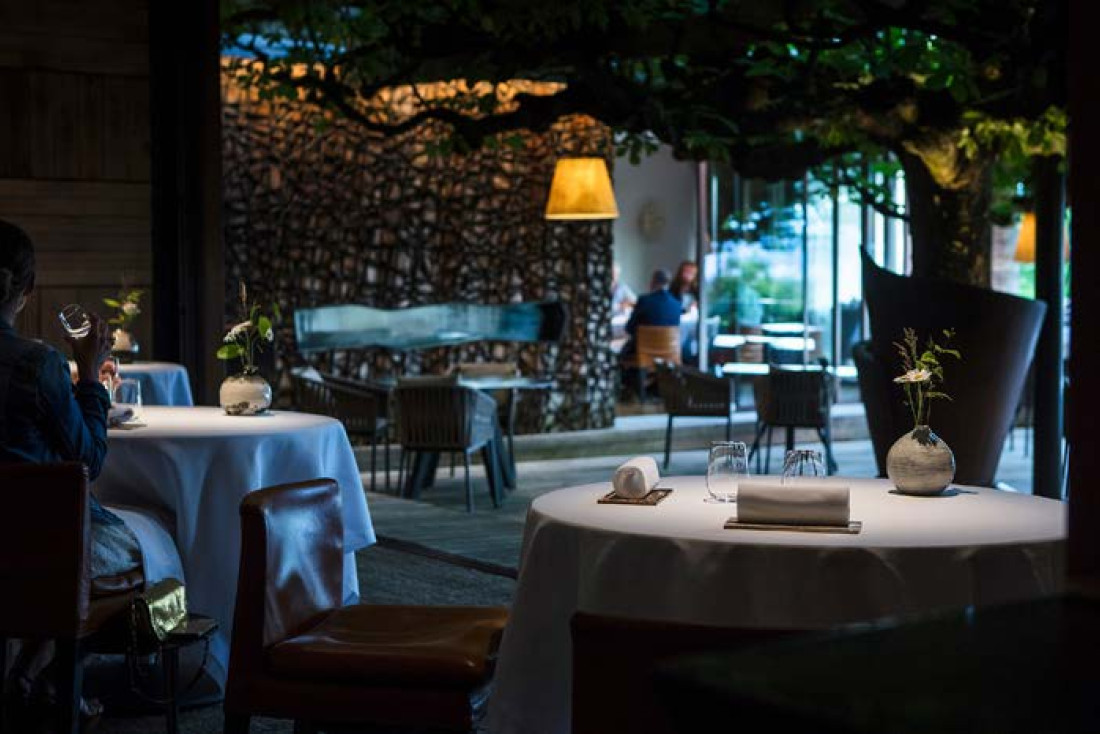
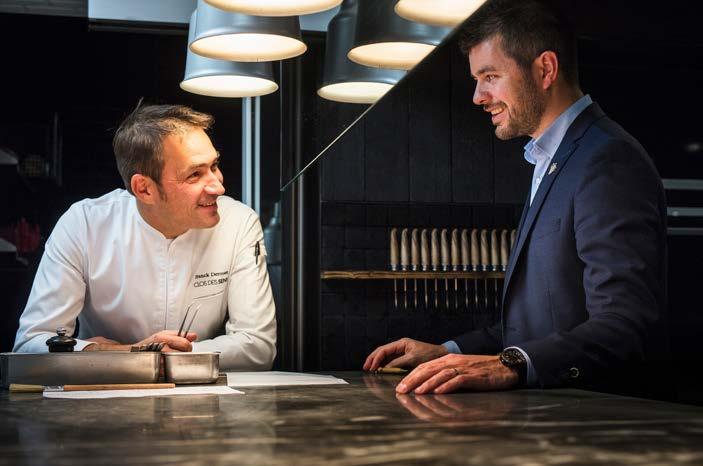
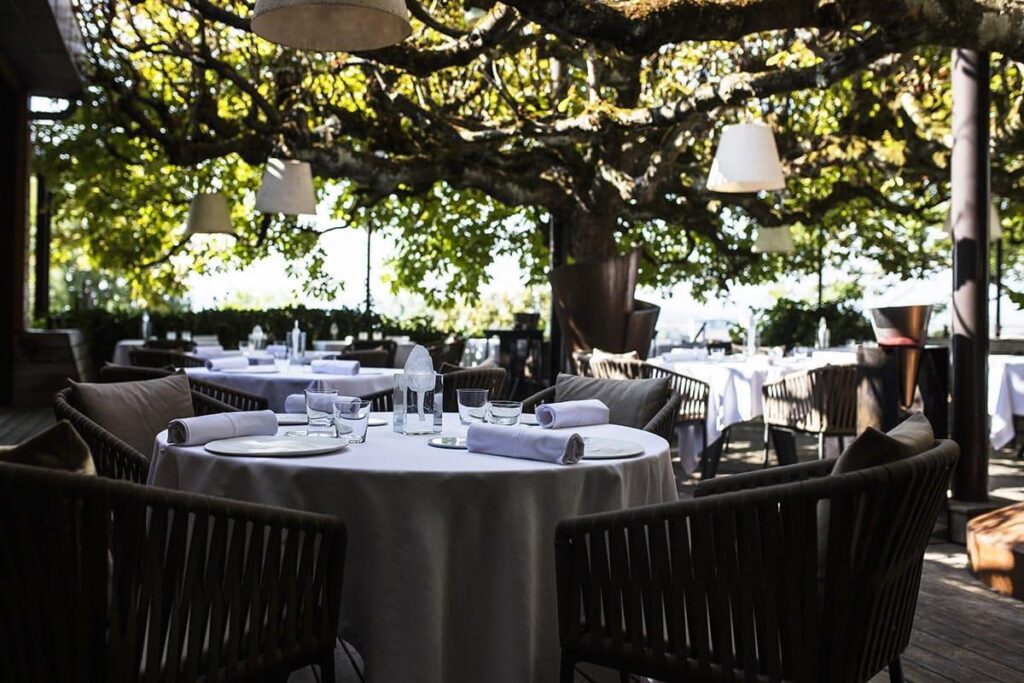
To reach Le Clos des Sens, you must leave the hustle and bustle of downtown Annecy behind and head a little higher up. In this Annecy-le-Vieux estate, Relais & Châteaux member, stone, wood, soft lighting, and century-old chestnut trees create a soothing atmosphere. But it’s in the garden, a few steps down, that much of the establishment’s identity becomes clear. Since January 2023, chef Franck Derouet and sommelier Thomas Lorival have been the owners of this 5-star hotel. Both know the place intimately: the former arrived in 2011, and the latter has been working there for about ten years. They helped guide Laurent and Martine Petit’s shift toward locally sourced ingredients and lake-inspired cuisine before taking over from them. “Laurent and Martine opened a door—the door to broadening our perspective on this region. And we’re pushing that door wider and digging deeper,” summarizes Thomas Lorival. It’s a conscious commitment to continuity, but one that’s far from stagnation.
From the Garden to the Pantry: Living in Harmony with Nature
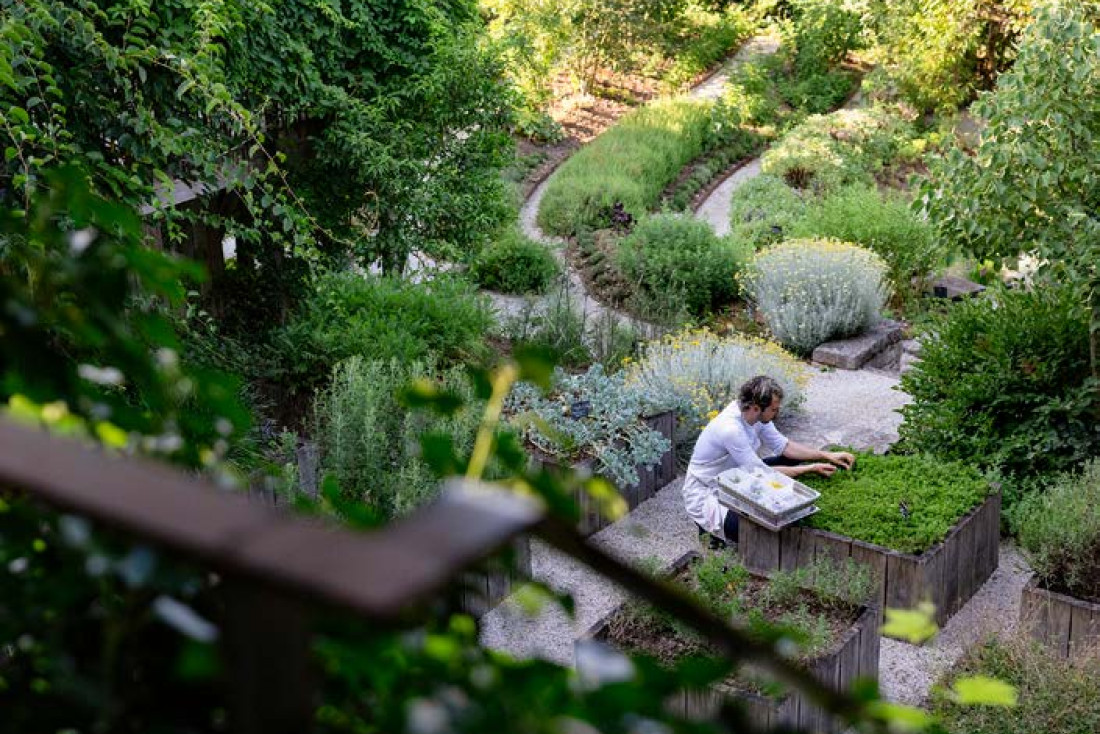
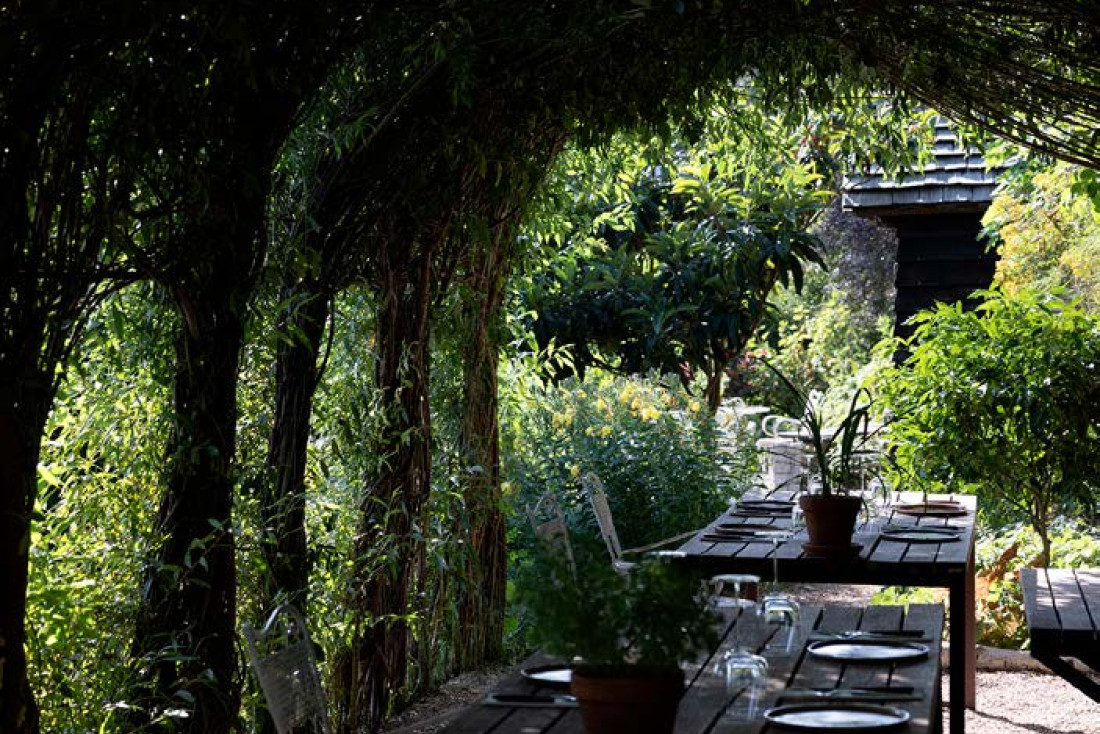
At Le Clos des Sens, plants aren’t just window dressing. Since the shift toward locally sourced ingredients in 2015, the farmers and fishermen from the lakes of Annecy, Bourget, and Geneva have been joined by a vegetable garden and, later, foraging. Today, the garden is home to some 200 varieties of plants, flowers, fruits, vegetables, and herbs—from purple basil to citrus fruits, including several pepper plants.
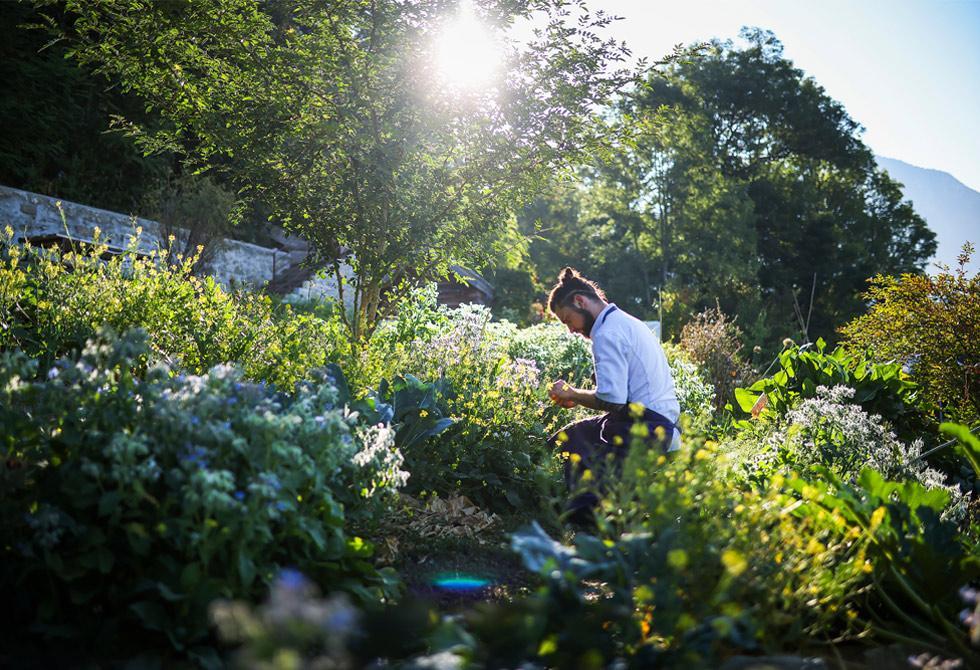
Above all, it allows visitors to observe a plant’s life cycle before and after its usual harvest. A fennel plant, for example, can yield its stems, leaves, flowers, and seeds in succession. “We work with the entire plant life cycle, which makes this truly unique, ” explains Thomas Lorival. The experience continues in the pantry. On the shelves, several hundred jars contain elderflowers, wild garlic, red currants, and acacia. These ingredients enrich dishes and food-and-juice pairings throughout the winter. “It’s a bit like when we were at our grandparents’ house, and they’d open a jar so we could eat cherries in the middle of winter, ” he says. Local farming also means planning ahead and wasting nothing.
The Taste of Forgotten Foods
Since taking over, Franck Derouet has notably restored sauces to a central role, even creating a dedicated position for them. Served alongside the main dishes, they remain on the table, available to guests. An invitation to help yourself to seconds, without any fuss. The chef also enjoys exploring underappreciated ingredients. Buttermilk—the liquid produced when cream is churned—becomes the base for a sauce; certain cuts of meat that are usually overlooked find their place in the kitchen once again. “That’s where our identity comes from. It’s about sticking our noses where we don’t usually look,” he says. It’s about taking a fresh look at local resources.
A shift in perspective for this globetrotting chef. Paris, London, Lisbon, Barcelona, Tenerife: before settling in Haute-Savoie, Franck Derouet worked at top restaurants across Europe. The turning point in 2015 shook up his habits. “I didn’t keep anything from the kitchen—no recipes, no fundamentals. The technique, perhaps, but no recipes.” From those years, he has retained an open-mindedness that he now applies to his immediate surroundings.
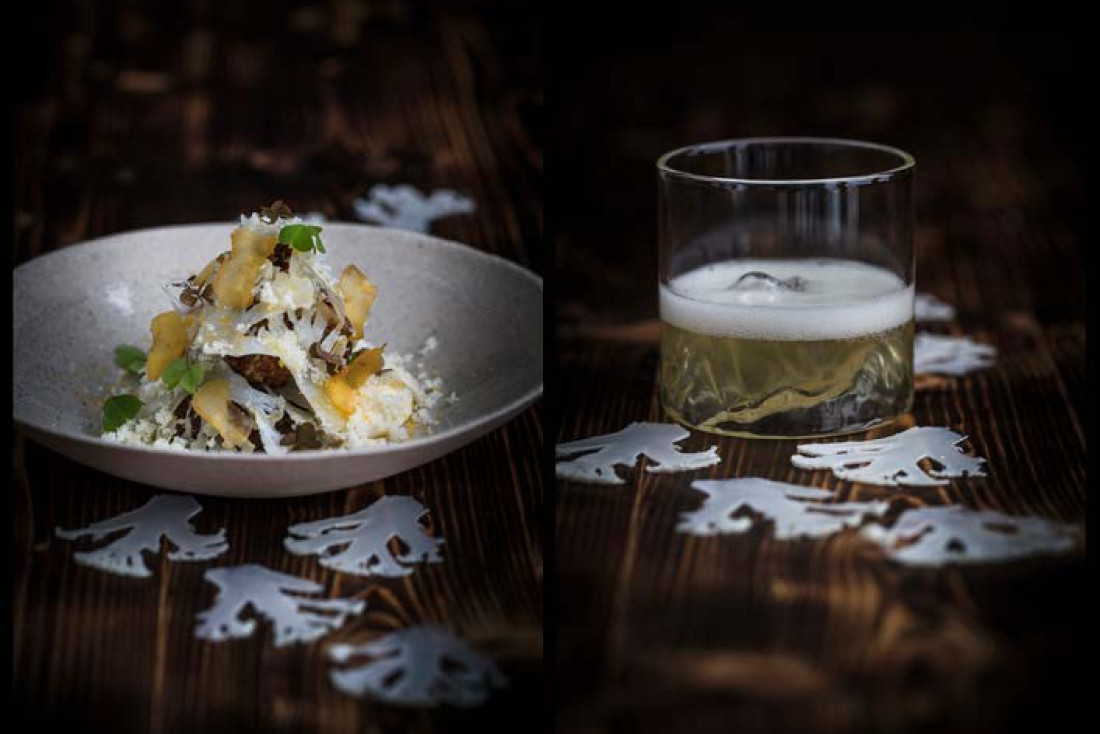
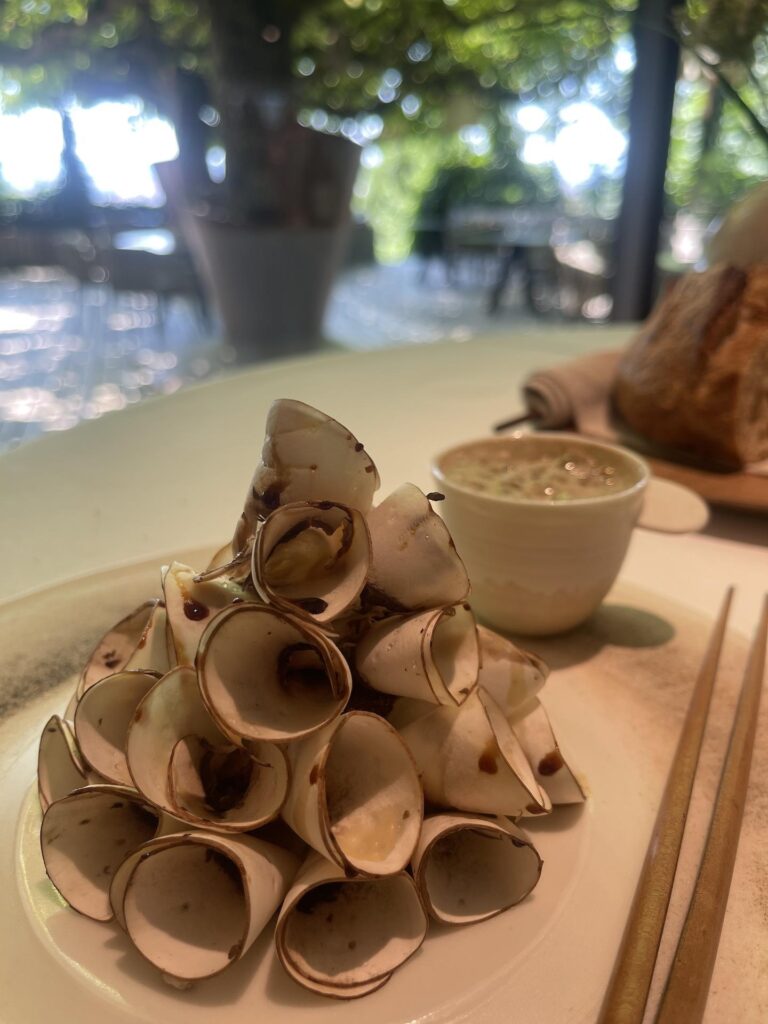
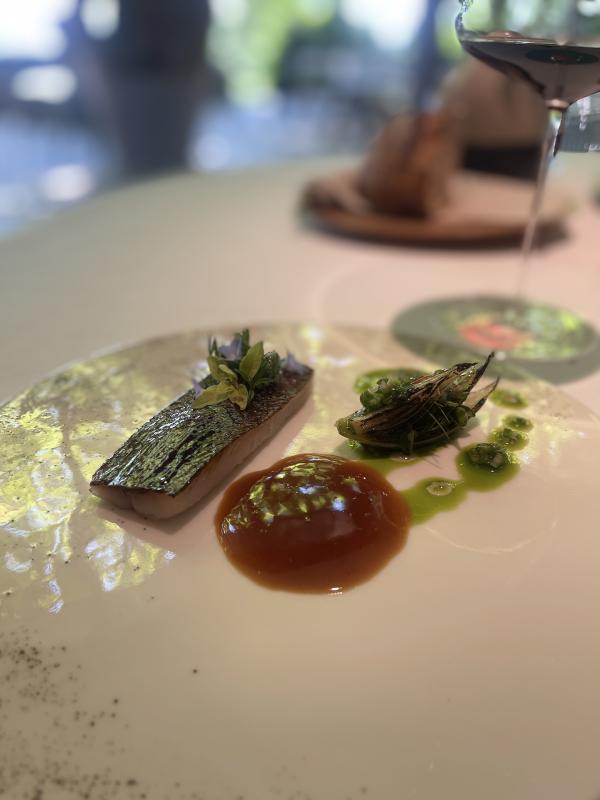
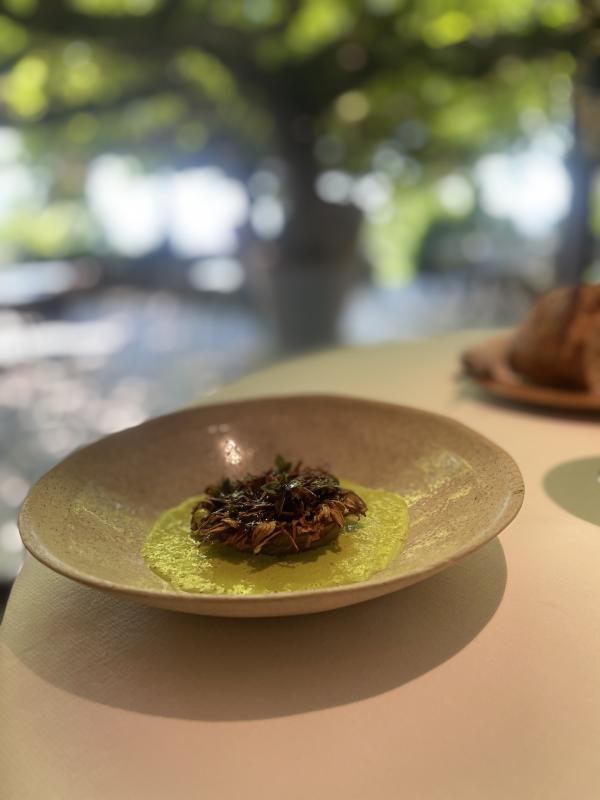
This approach is evident in the “Plein d’envies” menu sampled in late June 2026. Following the appetizers—crayfish satay and crispy féra liver—the “Envolée de champignons de Savoie” first strikes the eye with its presentation: a pyramid of thin, rolled slices, assembled like a small sculpture. The lavaret in buttermilk with verbena illustrates the chef’s taste for forgotten ingredients; the glazed féra, accompanied by a sauce made from grilled fish bones, reflects his commitment to showcasing the fish in its entirety. The roasted artichoke with basil, followed by strawberries paired with shiso, continue this dialogue between the lake and the garden.
Wines from this region, without narrow boundaries
The same curiosity drives Thomas Lorival. His wine list highlights the Alpine region, but without excluding other French vineyards. In his view, quality is no longer confined to historically recognized appellations: “Today, there isn’t a single region where you can’t find great wines.” Sommeliers must help guests discover these terroirs without neglecting the historic regions.
His definition of luxury follows a similar logic. “Our idea of luxury is closeness to people, to nature, to the mountains, and to the lake, ” he asserts. Neither interchangeable decor nor a display of prestige: the experience is valuable because of the connections it forges with a terroir. “True luxury is having an experience so deeply rooted in its territory that it cannot be replicated.” Hence the duo’s reluctance to cook far from Annecy: a recipe is easier to transport than the world that inspires it.
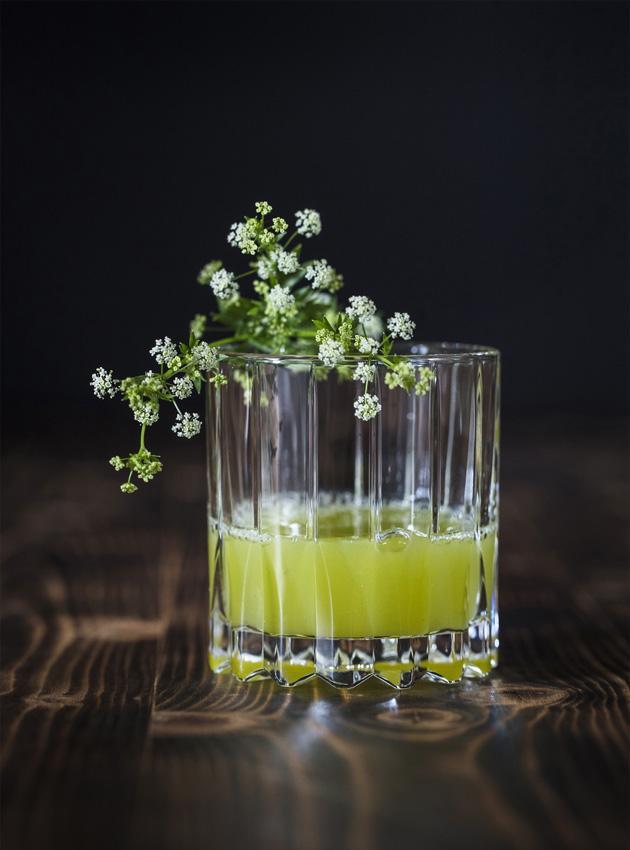
The sommelier’s expertise doesn’t stop at wine. Each menu can also be paired with a thoughtfully crafted non-alcoholic alternative. Herbal infusions, plant extracts, broths, and fruit waters interact with the dishes, playing with aromas, textures, and temperatures. It was this approach we discovered at lunch, with the feeling of following a second gastronomic score, designed to complement the first. An approach that truly brings to life the collaboration between Franck Derouet and Thomas Lorival.
Three Stars and a Shared Journey
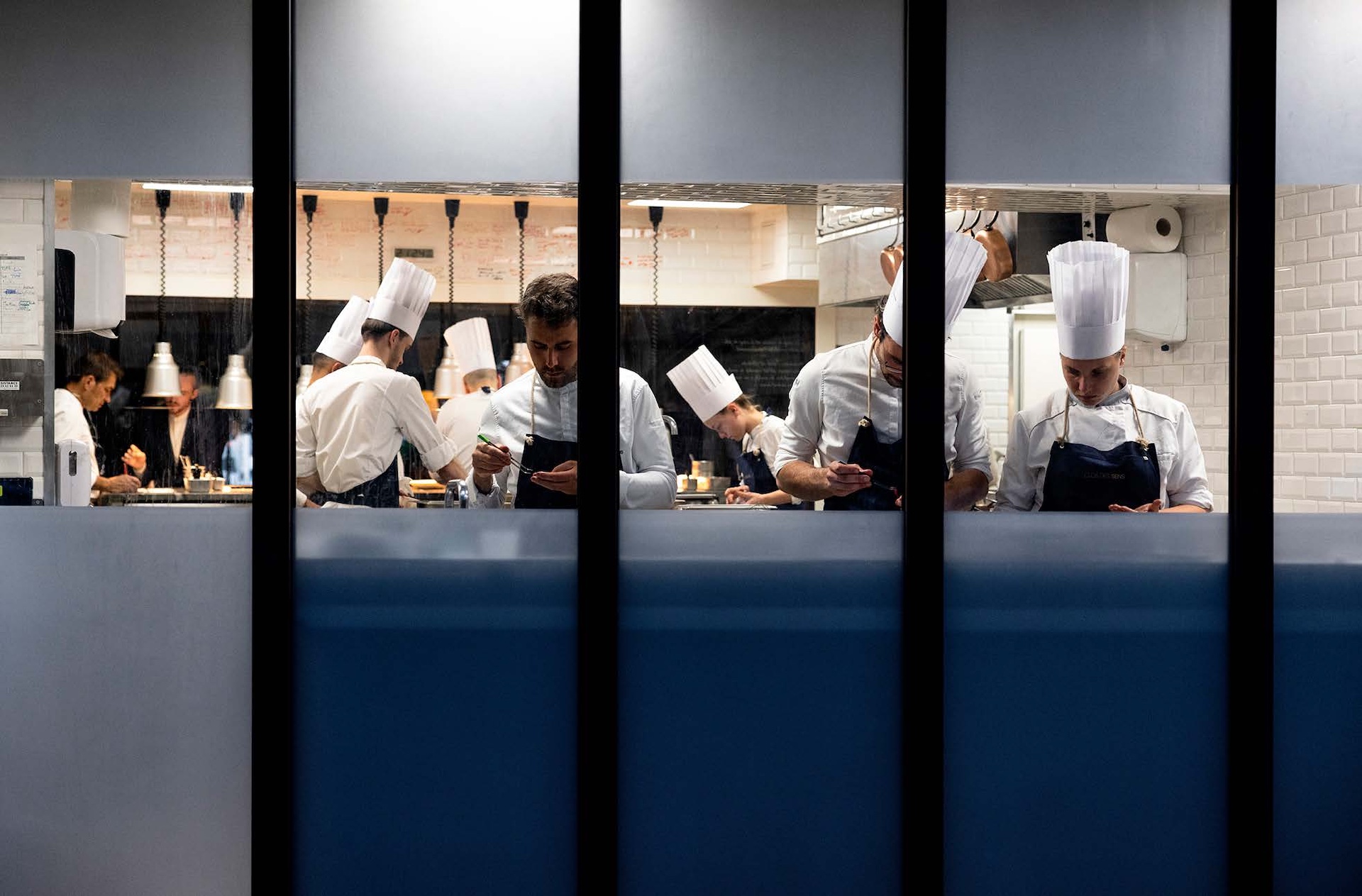
Three Michelin stars don’t mean you can stop challenging yourself; they might even encourage you to build on what works. “The biggest challenge is not getting stuck in a rut,” explain the two partners. New ideas are tested within the teams, refined, and then discussed during monthly group tastings. Regular diners sometimes participate in the final tastings. This approach reflects a management style the owners value: involving their staff in decisions rather than attributing everything solely to their two names. During meetings, anyone can propose a new creation and defend their idea in front of the others. “A Michelin-starred chef who carries a restaurant on their name alone—that doesn’t exist,” emphasizes Thomas Lorival. Some 45 employees bring the place to life. As for the third star, it hasn’t closed the chapter. “It’s not a finish line, nor is it an end in itself—it’s a new beginning.”
The Art of Hospitality, Down to the Finest Details
This collective attention to detail extends beyond the restaurant. In the guest rooms of this spa hotel in Annecy, the owners prioritize regional artisans and a signature scent that changes with the seasons. In the garden, Le Cortil hosts eight tables in the summer, serving share-style dishes cooked over an open fire in a more casual setting. Workshops for schoolchildren also introduce them to herbs and seasonal produce, from the vegetable garden to the kitchen.
At the end of lunch, guests leave with a small recycled paper envelope, adorned with the name “Le Clos des Sens” in gold lettering. It contains the daily menu, a few words from the team, a list of ingredients, and a personalized list of the fishermen, market gardeners, farmers, and artisans. Romuald and Dimitri Bouvier, fishermen on Lake Bourget, are listed alongside the region’s farmers and cheese makers. It’s a thoughtful touch that highlights the men and women behind every dish enjoyed.
When asked what memory they’d like to leave their guests with, the two owners answer immediately: “A smile.” In this establishment, where the staff taste the dishes and meet with the fishermen to better discuss their products, the welcome remains personal, without any scripted speeches. Franck Derouet and Thomas Lorival particularly love hearing guests say, as they leave, “This is a beautiful place.” A simple phrase that reflects their ambition: to maintain the high standards of a fine dining establishment without losing the joy of hospitality.
Le Clos des Sens
13 Rue Jean-Mermoz, Annecy-le-Vieux, 74940 Annecy