This site uses cookies so that we can provide you with the best possible user experience. Cookie information is stored in your browser and performs functions such as recognizing you when you return to our website and helping our team understand which areas of the site you find most interesting and useful.


As early as the 17th-century, with the rise of the nobility of the robe and the business bourgeoisie, Folies (luxury country houses) embellished with farmhouses and vineyards, contributed to Montpellier’s development. The wine trade, which gave rise to the Haussmann-style architecture of Avenue Foch, flourished here until the arrival of Phylloxera. The châteaux of the Biterrois region, often converted into luxury hotels catering to wine tourism, illustrate these prosperous times, while the 1907 wine revolt made Montpellier a land of conflagration during the Midi Rouge. Over the decades, auteur wines have paved the way for success stories on the Languedoc wine trail. Visionaries and investors have emerged with the qualitative evolution, and organic farming, biodynamics and agroecology have awakened the vineyards. The wines of Pic Saint-Loup now serve as an example for the Languedoc-Grés de Montpellier appellation. Further afield, the Terrasses du Larzac appellation – the promised land for new winegrowers seeking an Eldorado – can be visited autonomously with a dedicated app. The era of wine tourism is upon us, for up-and-coming appellations as well as for Pays d’Oc varietal wines, which have a worldwide reputation. Would you like to discover Montpellier and the Languedoc wine route? Follow the guide.

languedoc Wine School
Day 1
Morning - Settling in at Domaine de Verchant
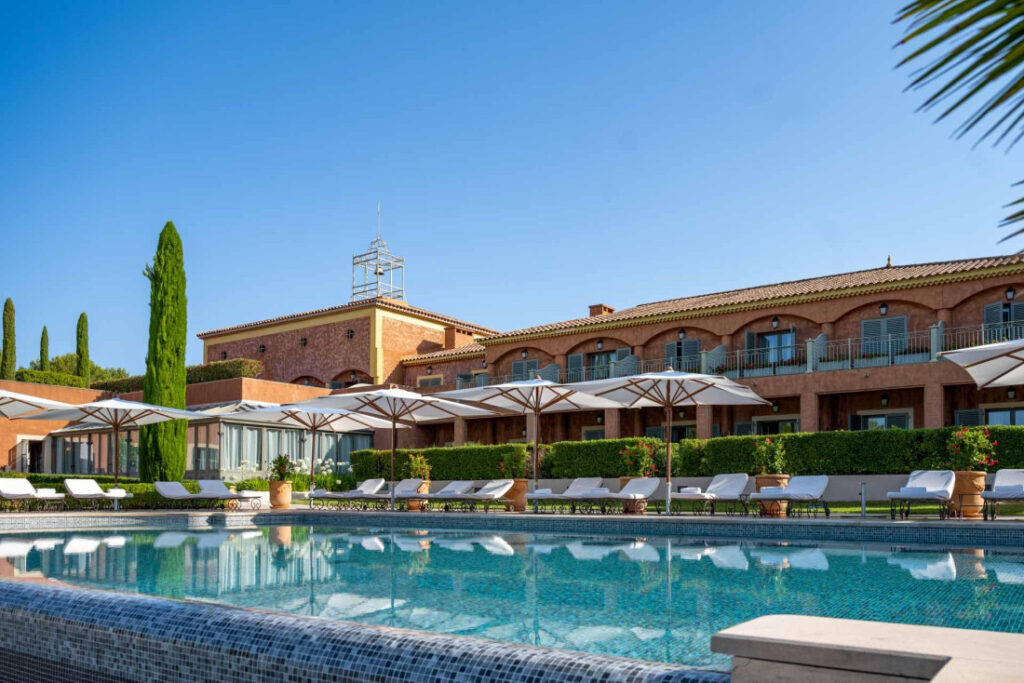
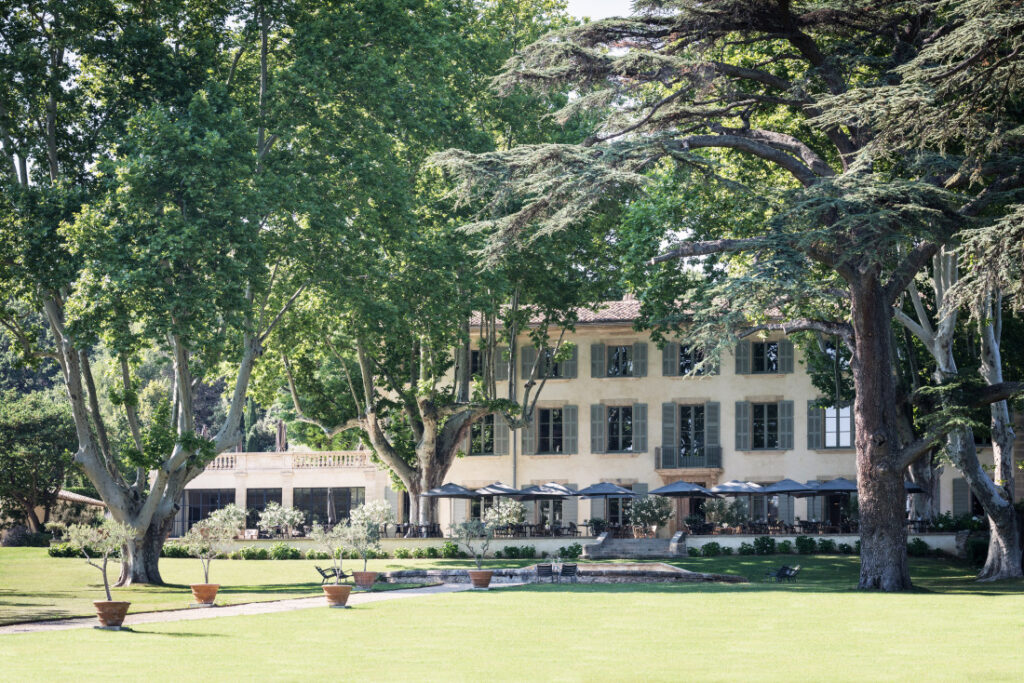
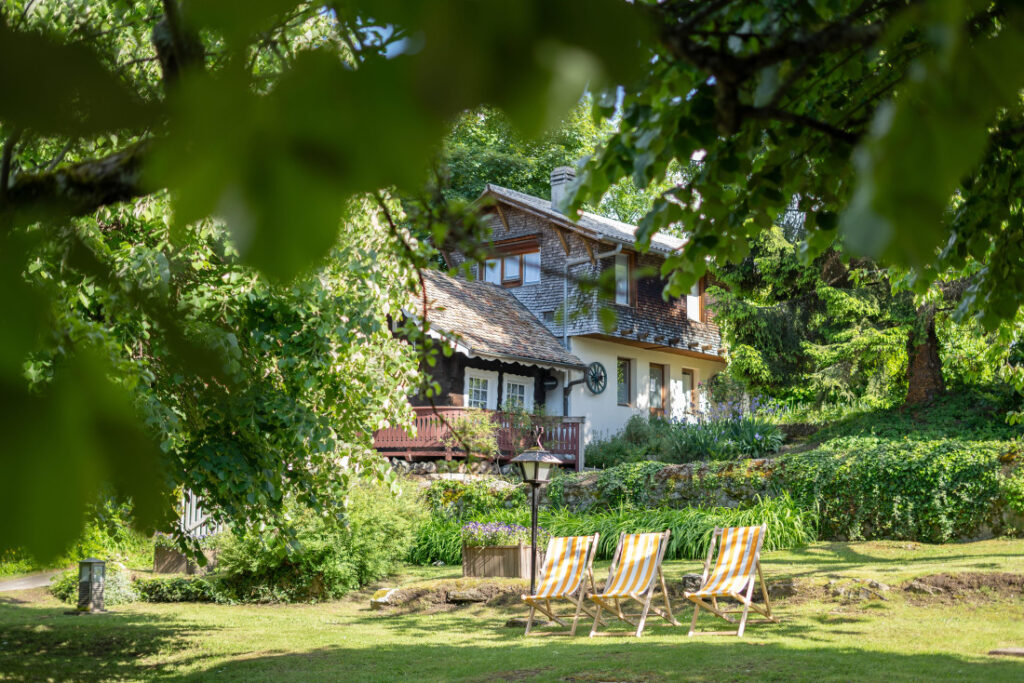
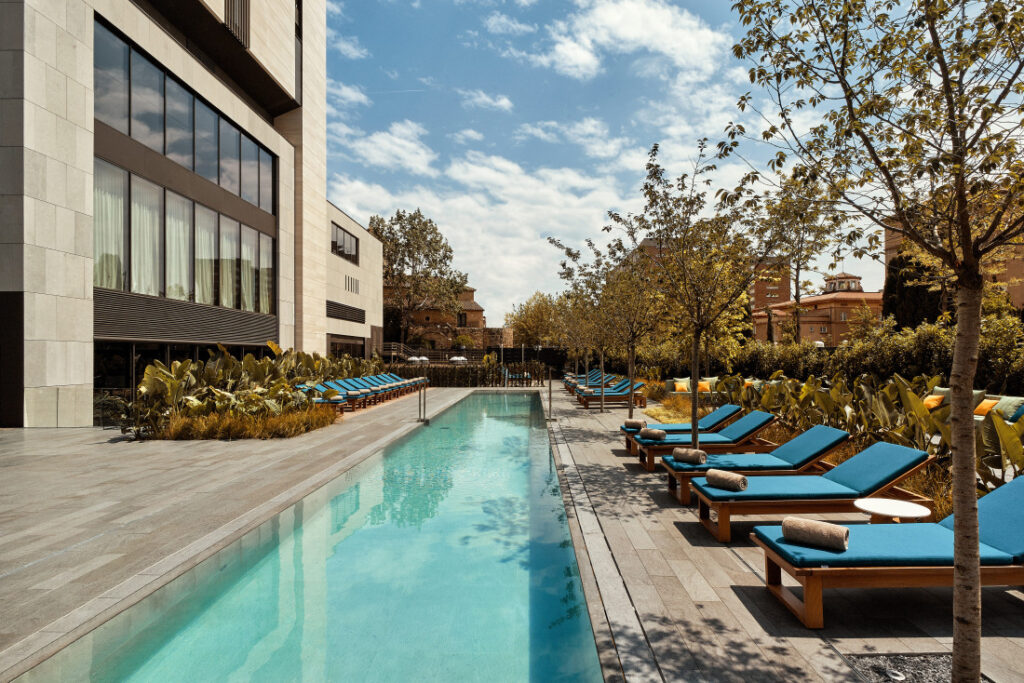
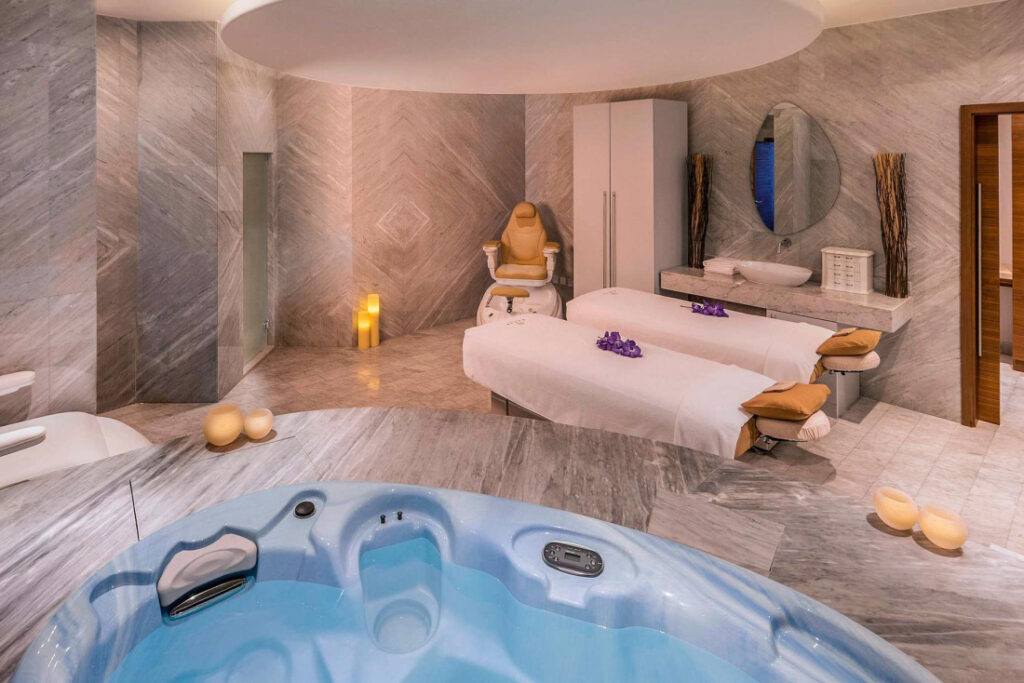
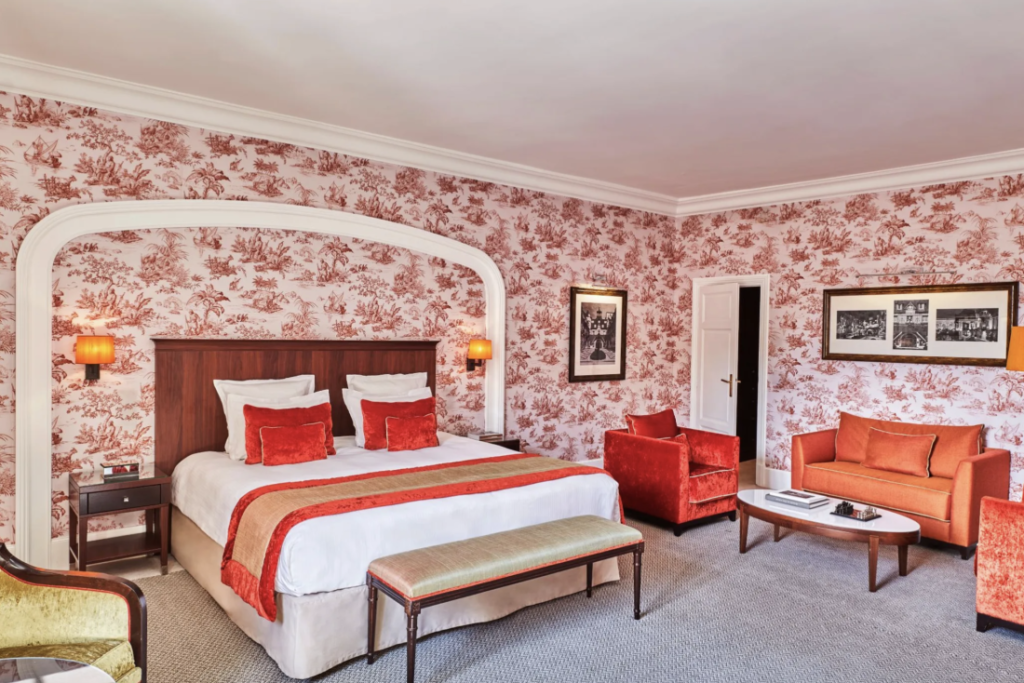
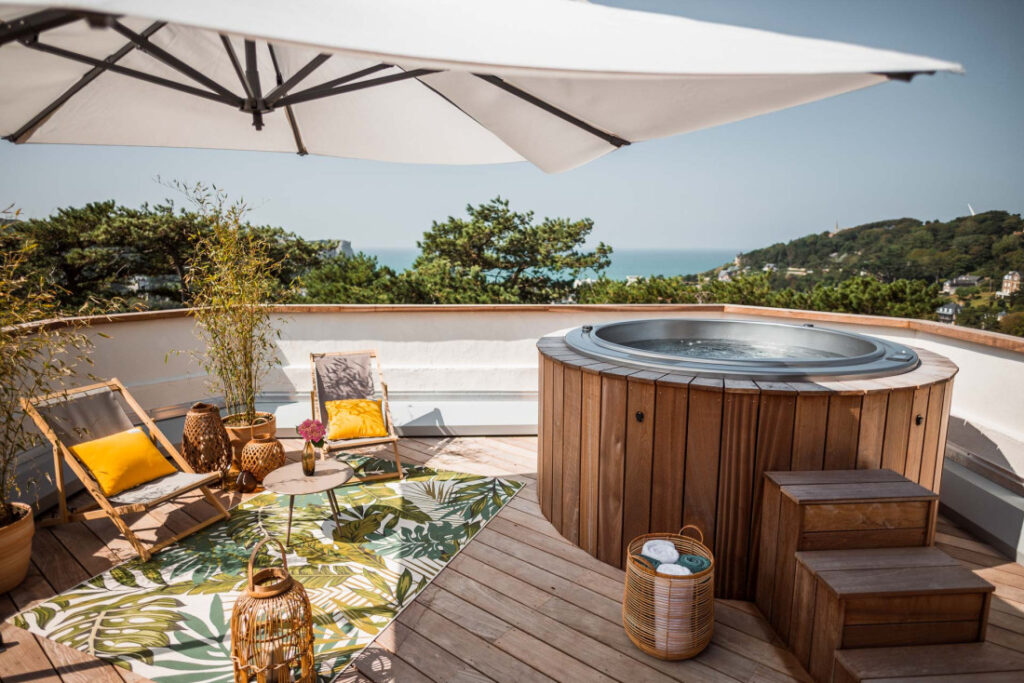
For a rural-chic setting on the edge of the vineyards, Domaine de Verchant is a hotel just outside Montpellier. This Relais & Châteaux establishment boasts an exceptional setting in the vineyards, a terrace with swimming pool and a refurbished spa. The Marcelle gastronomic table has recently been orchestrated by chef Alexandre Caillaud, accompanied by two-starred Chef Franck Putelat, Best Worker in France 2019. Meanwhile, the bistro La Plage Verchant, in the heart of the vineyards, offers its tasty southern-style cuisine and à la carte estate wines. It's the perfect place to learn about wine tourism, visit Montpellier or just relax in idyllic surroundings. This 5-star hotel is also renowned for its two-thousand-strong cellar of Languedoc wines.
Domaine de Verchant
1 Boulevard Philippe Lamour, 34170 Castelnau-le-Lez


And also
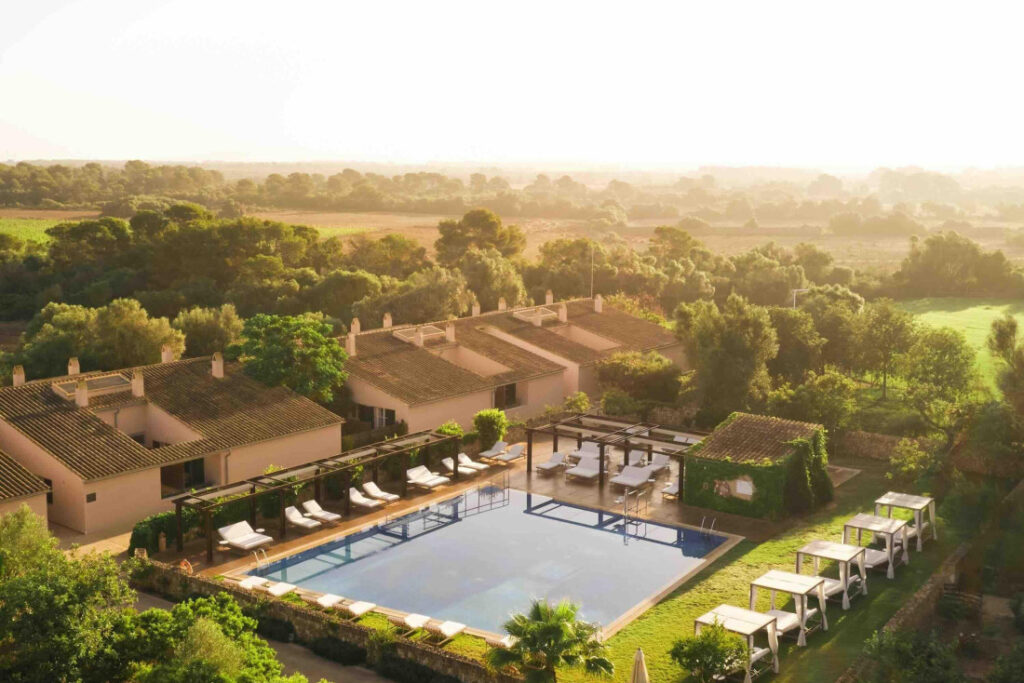
Domaine de Biar: to the west of Montpellier, Domaine de Biar is the former estate of the famous agronomist Henri Marès (1820-1901), who found the cure for oidium, a vine disease. This former royal farm of Louis XVI has been transformed into an eco-responsible hotel, with preserved grounds and the Clef Verte label. On Biar's land, organic farming has taken its place alongside Camargue horses, as the estate specializes in equicoaching. After lunch at La Table de Biar (slow food), a game of chess by the pool, a hammam and a massage, we're off for a ride on our electric bikes. The Domaine de Biar is close to the Domaine de l'Engarran, which offers wine tours and tastings.
Domaine de Biar
Chemin du Mas de Biar, 34880 Montpellier

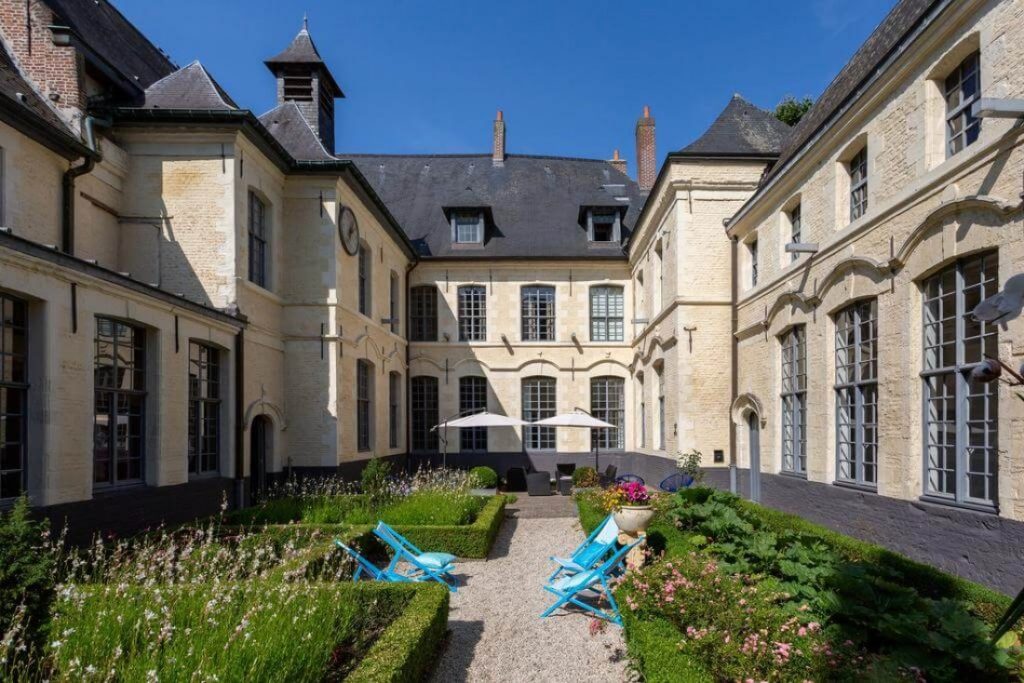
Domaine de Rieucoulon: this other Montpellier Folie is one of the oldest with a peri-urban vineyard. The Domaine de Rieucoulon is a historic site where the nobility of Montpellier used to vacation on the outskirts of the city. Founded in 1772, the Hôtel du Languedoc-Roussillon comprises a château, landscaped grounds, ponds, woods and adjoining vineyards. Completely renovated, the Domaine de Rieucoulon is now open to the public in a special event format, with 5 guest rooms.

Afternoon - Try your hand at food pairing
In Montpellier, the "Ecole des Vins du Languedoc" (a Wine School) has decided to teach young urbanites a thing or two. Oenology instructors host tasting workshops at the Gazette Café, one of the city's trendiest venues. These fun, pairing workshops take a culinary turn, allowing participants to discover the ABCs of tasting and understanding pairings, while honing their knowledge of iconic estates and local keels. The workshops offer a choice of wine and sushi pairings, wine and tapas, and wine and chocolates
Ecole des Vins du Languedoc
From €50 for 2 hours, on reservation
ecoledesvinsdulanguedoc.com

Reaching the Pic Saint-Loup vineyards
In the middle of the afternoon, it only takes half an hour to reach the Pic Saint-Loup vineyards on the Languedoc wine route. In Valflaunès, Mas Bruguière is a must-visit winery, offering a cellar tour and tasting of three estate cuvées (2 reds, one white) and a cuvée éphémère. While La Grenardière is Bruguière's flagship cuvée, mention should also be made of La Quintessence de Mes Grêlons, an extra-fresh white wine made by friends. Mas Bruguière boasts 12 hectares of entirely organic vineyards. In the cellar, wine is aged in barrels, concrete eggs and amphorae. In addition to remarkable wines, 7 generations have forged the estate's unique destiny.

And also
Visit the winery at Domaine Uma : still in Valflaunès, Domaine Uma extends over 60 hectares of organically farmed land, with some 20 different grape varieties. Recently taken over and renovated by investor Emmanuel Clausel, the former property developer has added a wine tourism dimension to the estate in the Pic Saint-Loup PDO. Starting with the renovation of a contemporary, high-tech winery, where you enter as if in a cave, revealing the original stonework of a building over two centuries old. The project takes light pollution into account, with an ultra-modern winery, laboratory and tasting room.

Visit Château de l'Engarran : A must-see in Montpellier, Château de l'Engarran is a beautifully crafted estate located in Lavérune, on the outskirts of the city. In addition to its remarkable heritage and pond park, the estate is run by two women, Diane and Constance. A tour of this 18th-century "Folie", as the history of this estate is first and foremost that of a family heritage, ends with a tasting session.

Day 2
Morning - Visit Château de Flaugergues
With its air of a Florentine villa, the Château de Flaugergues is a listed "Folie" built in the 17th-century by Etienne de Flaugergues, an advisor to the Cours des Comptes, who bought the estate in 1696, before building this residence symbolizing the wealthy aristocracy in the service of the king. Three centuries later, ten generations of the same family have succeeded one another. At the end of the 70s, Henri and Brigitte de Colbert inherited the sleeping beauty, renovated the gardens and developed wine tourism in the following decade. More recently, their son Pierre has undertaken to build a winery and an agroforestry plot, enabling everyone to learn permaculture.

On the château's forecourt, two statues represent Peace and Abundance. Inside, the staircase with its hanging keystone appears suspended, while Flemish tapestries on the wall depict the life of Moses. Family portraits and archives are complemented by furniture from the Cévennes or Empire periods, in the Retour d'Egypte style, in the Eagle room. The marble table recounts the epic story of French manufacturing under Jean-Baptiste Colbert, whose bust is enthroned in the hall. The salons showcase the pastimes of times when games, reading and opening up to the world were the order of the day. On the walls, engraved and hand-painted optical views and perspectives are linked to the Grand Tour of Europe. History buffs will appreciate the 1h30 guided tour.

Noon - Lunch at Folia
In this Millenium district, Flaugergues brings the estate's wines to the table. In the courtyard of the mas, chef Léa Roque's team takes care of bistronomy with seasonal home cooking. At Folia, the menu changes according to the market. Léa Roque favors steaming and refined recipes, such as crispy saithe with pear, flame-grilled Ardèche trout, her vegetable tabbouleh with cauliflower and honey-roasted carrots. After your meal, you can explore the many gardens before enjoying a tasting session in the cellar.

Afternoon - Stroll through the gardens and winery of Flaugergues
After the three-level Jardin à la Française, the English-style garden unfolds, featuring a gingko biloba, topiaries, a rose-covered orangery, a Judas tree... As the seasons change, palm trees and the aromatic garden of the five senses invite you to stroll. Thirty varieties of bamboo make up the forest, and numerous species bear witness to distant travels. To get to the winery and vineyard, the avenue of olive trees precedes the permaculture farm of the Oasis Citadine, with market garden crops, chickens, beehives and fruit trees. In a former bunker, a mushroom farm houses oyster mushrooms and shiitake mushrooms. In the winery, grapes are king and Viognier is making its presence felt.

Evening - Meet at the Panka bar
In the heart of Montpellier's St-Roch district, three girls have founded "Panka, bar de la joie", Montpellier's first all-female natural wine bar. "Montpellier locals come for the atmosphere and 50 references of natural wines from all regions of France", admits Kenza, the sommelier. The bar, located in a lively alleyway, features wines from Languedoc, Loire and elsewhere. The menu at this Montpellier restaurant features local produce and a homemade tarama to go with Calypso Rose, their signature cocktail.
Panka Bar
3 rue du Temple, 34000 Montpellier

Day 3
Morning - Hike to Château Lancyre
It takes half an hour to get to Château Lancyre in Valflaunès, where you can take a hiking trail. This 80-hectare estate in the Pic Saint-Loup region is farmed organically by the Durand and Valentin families. On this property on the Languedoc wine route, a water well stands alongside native grape varieties, woods and a chapel lost in the garrigue. The idea then arose to tell the story of the vines and biodiversity along a 5-kilometre trail. Along the way, walkers learn more about the three hermits, biodiversity and the vineyard. On the way back, the experience continues with a tasting of Lancyre wines. A wonderful tête-à-tête with Pic Saint-Loup, the Hortus, the vineyards and nature.

Noon - Lunch in Pic Saint-Loup
Les Docks du GR is the new restaurant-cellar in the heart of the Grand Pic Saint-Loup, an area with the Vignobles et Découvertes label. Launched by a group of friends, including rugby XV coach Fabien Galthié, Jean Vallon's son, entrepreneur Guy Giner and winemaker Laëtitia Masson, this bistro offers a taste of the local terroir. Chef Julien Dubroc spent ten years working for Paul Bocuse at the Auberge du Pont de Collonges. On the menu, gravlax of Buèges trout, fillet of sea bream, artichoke barigoule and basil pesto are accompanied by Pic Saint-Loup wines. Finally, wine expert Laëtitia Masson has selected the crème de la crème of local wines.

Afternoon -Listening to local produce at Château de Lascaux
After the maritime side of the Pic Saint-loup appellation, we head for Château de Lascaux in the northernmost zone, bordered by the Montagne Noire and the foothills of the Cévennes. On the Lascaux side, the continental influence generates later harvests, heavier rainfall and cooler temperatures. Jean-Benoît Cavalier and his daughters Marie and Maguelone, the fifteenth generation, lead the tour. The 85-hectare vineyard is farmed biodynamically, and for the past 5 years, sheep and Aubrac cattle have joined the farm.

The visit begins with the cellar, the wine-making cellar with its huge vats, then the history of a former priory mingles with that of Lascaux and the village of Vacquières. Finally, tastings of Les Pierres d'Argent and Le Nobles Pierres plunge us into the terroir.
Find out more on the Montpellier Tourist Office website: montpellier-touris